


What's Happening?
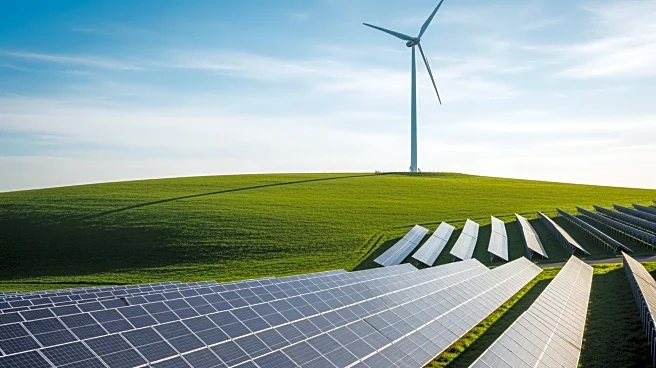
Oʻahu is integrating biomethane into its energy system to enhance reliability without relying on imported fossil fuels. Biomethane, produced from biological waste streams like sewage sludge and landfill gas, is being used as a renewable methane reserve.
This initiative aims to provide firm combustion-based electricity during rare periods when solar and wind energy are insufficient. The island's energy system, primarily powered by solar and batteries, requires a small reserve of firm capacity to handle shortfalls caused by cloudy weather or equipment outages. Biomethane, derived from local waste, fits this role by avoiding new fossil carbon emissions and supporting the island's transition to a renewable energy system.
Why It's Important?
The integration of biomethane into Oʻahu's energy system is significant as it supports the island's transition to a renewable energy future. By utilizing local waste streams, Oʻahu reduces its dependence on imported fossil fuels, contributing to energy independence and sustainability. This approach also aligns with global efforts to reduce carbon emissions and combat climate change. The use of biomethane as a strategic reserve ensures grid reliability during rare energy shortfalls, enhancing the resilience of the island's energy infrastructure. Additionally, the production of biomethane supports local waste management and provides a renewable energy source that complements solar and wind power.
What's Next?
Oʻahu will continue to develop its biomethane production capabilities, focusing on expanding waste collection and digestion systems. The island aims to maximize the use of local waste streams, such as food waste, to increase biomethane output. Future efforts will likely involve optimizing storage and conversion infrastructure to ensure efficient use of biomethane reserves. As the island's renewable energy system evolves, ongoing assessments will determine the optimal balance of solar, wind, and biomethane resources to maintain grid stability. Collaboration with local stakeholders and continued investment in renewable technologies will be crucial to achieving Oʻahu's energy goals.
Beyond the Headlines
The use of biomethane on Oʻahu highlights the potential for renewable gas to play a critical role in energy transitions worldwide. This approach not only addresses energy reliability but also offers environmental benefits by reducing methane emissions from waste. The initiative underscores the importance of integrating diverse renewable energy sources to create resilient and sustainable energy systems. Additionally, the project demonstrates the value of local resource utilization in achieving energy independence and reducing carbon footprints. As other regions explore similar strategies, Oʻahu's experience may serve as a model for integrating biomethane into renewable energy frameworks.