
What's Happening?
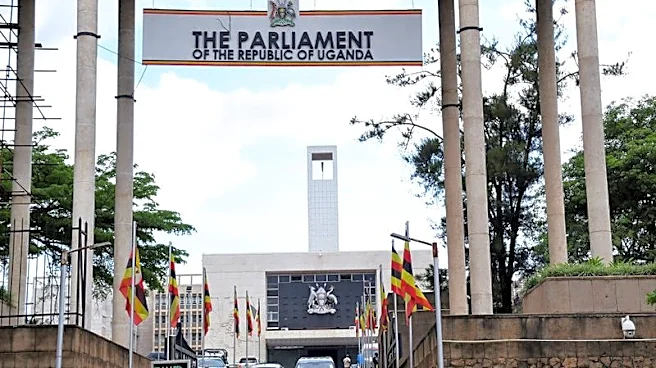
President Yoweri Museveni of Uganda has initiated a crackdown on corruption, absenteeism, and medicine shortages in the country's public health facilities. Addressing the National Resistance Movement (NRM)
Parliamentary Caucus, Museveni emphasized the economic impact of poor healthcare delivery and warned that government workers failing to serve citizens could be replaced by younger professionals. He highlighted the need to investigate the rising prevalence of non-communicable diseases like cancer and diabetes, contrasting this with progress in controlling infectious diseases. Museveni also addressed corruption in local government recruitment and the misuse of Parish Development Model (PDM) funds.
Why It's Important?
The crackdown on corruption in Uganda's health sector is crucial for improving public health outcomes and restoring public confidence in government services. Effective healthcare is vital for economic productivity, as illness can significantly reduce workforce participation. By addressing corruption and inefficiencies, the government aims to ensure that resources are used effectively to improve health services. This initiative also underscores the importance of transparency and accountability in public administration, which are essential for sustainable development and social stability.
What's Next?
President Museveni has directed the Prime Minister to investigate allegations of PDM fund theft and misuse, with a focus on several regions. The government plans to strengthen preventive healthcare measures and investigate the causes of rising non-communicable diseases. Museveni's administration will likely continue to monitor and address corruption in public services, with potential reforms in recruitment processes to ensure merit-based employment. The success of these efforts will depend on the government's ability to enforce accountability and implement effective policy changes.