


What's Happening?
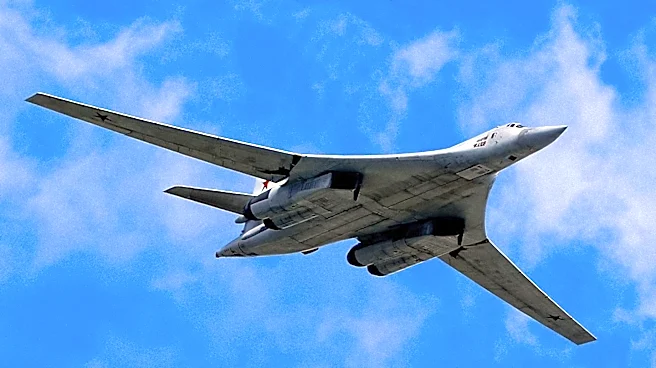
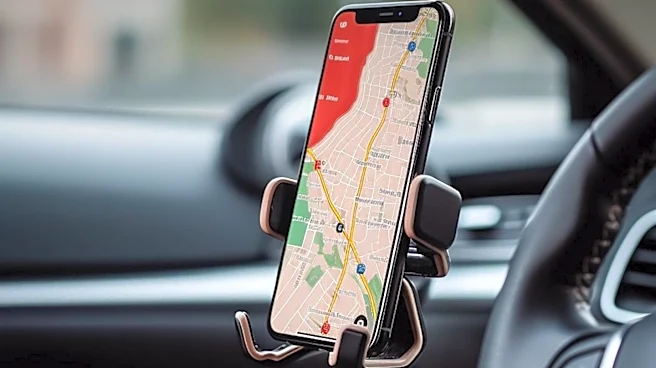
Russian military expert Keir Giles has issued a warning regarding a potential massive GPS jamming surge by Russia, a method he notes Moscow has not yet extensively tested. Giles suggests that such an action could severely impact Europe, potentially incapacitating
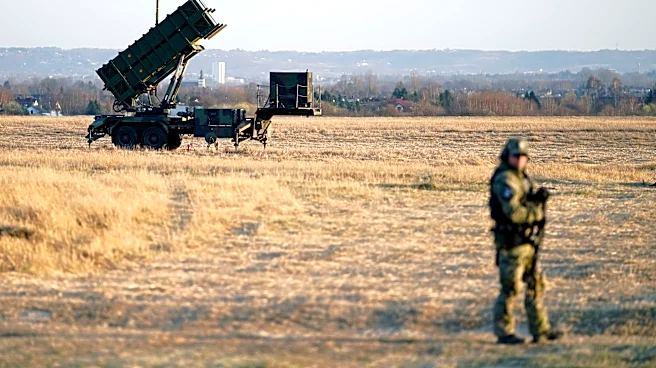
NATO members during critical situations. He emphasized that this disruption would lead to 'instant massive disruption and chaos.' The expert's comments come amidst an increase in asymmetric warfare threats against NATO, as Ukraine's successful strikes on key Russian targets are reportedly pushing Russian President Vladimir Putin to his limits, causing significant disruptions like crippling fuel supplies and energy blackouts over the summer. Giles advises close monitoring of Russia's electronic warfare expansion, particularly concerning GPS jamming.
Why It's Important?
A widespread GPS jamming attack by Russia would have profound implications for the U.S. and its NATO allies. Such an event could cripple essential infrastructure and military operations that rely heavily on GPS for navigation, communication, and timing. For the U.S. military, which operates globally and depends on precise GPS data for everything from missile guidance to troop movements, a significant jamming event could severely degrade operational effectiveness and safety. Economically, industries like transportation, logistics, and agriculture, which increasingly integrate GPS technology, would face substantial disruptions, leading to supply chain issues and financial losses. The civilian population in Europe and potentially beyond could experience widespread chaos, affecting daily life, emergency services, and critical infrastructure. This threat underscores the vulnerability of modern societies to electronic warfare and highlights the need for robust alternative navigation systems and enhanced cyber defenses.
What's Next?
In response to the potential threat of a massive GPS jamming surge, NATO members and the U.S. are likely to intensify efforts in several areas. This includes accelerating the development and deployment of alternative navigation and timing systems that are resilient to GPS interference. There will also likely be increased investment in electronic warfare countermeasures and defensive capabilities to protect critical infrastructure and military assets. Furthermore, intelligence agencies will probably heighten their monitoring of Russian electronic warfare activities to detect any signs of escalation or testing of such capabilities. Diplomatic and strategic discussions within NATO will likely focus on developing a coordinated response plan for a large-scale GPS disruption, including protocols for civilian protection and maintaining essential services. The ongoing conflict in Ukraine and the resulting pressure on Russia could lead to an unpredictable escalation in asymmetric warfare tactics, making preparedness for such scenarios crucial.
Beyond the Headlines
The potential for a massive GPS jamming surge by Russia extends beyond immediate military and economic concerns, touching upon deeper societal and technological vulnerabilities. This threat highlights the increasing reliance of modern civilization on satellite-based technologies, making it a critical point of fragility in an era of geopolitical tension. Ethically, the deliberate disruption of GPS, which is integral to civilian safety and navigation, raises questions about the boundaries of warfare and the potential for indiscriminate harm. Legally, such actions could be viewed as acts of aggression, potentially triggering international responses. Culturally, a prolonged GPS outage could erode public trust in technology and government's ability to protect critical services, leading to widespread anxiety and social instability. In the long term, this scenario could accelerate a global shift towards more resilient, diversified, and perhaps localized technological infrastructures, reducing dependence on single points of failure like GPS and fostering innovation in alternative navigation and communication methods.