






What's Happening?
The European Commission has proposed the Industrial Accelerator Act (IAA), a comprehensive regulation aimed at promoting low-carbon manufacturing and enhancing the competitiveness of EU industries. The IAA introduces local content and carbon intensity
requirements for procurement, establishes a pre-approval regime for foreign investments in strategic manufacturing sectors, and streamlines permitting for industrial decarbonization projects. The regulation is seen as a response to Europe's economic challenges, including a trade deficit with China and the need for resilient supply chains. The IAA's preference for European producers and selected EU trading partners reflects a shift in EU economic engagement, driven by concerns over multilateral trade system dysfunction and energy dependencies exposed by the Ukraine crisis.
Why It's Important?
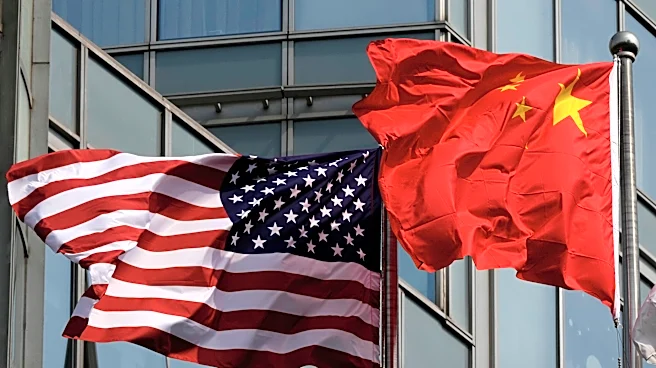
The IAA represents a significant shift in EU industrial policy, potentially impacting global trade dynamics. By prioritizing European producers and imposing stringent carbon and local content requirements, the regulation could create trade tensions, particularly with countries like China, which dominate certain manufacturing sectors. The IAA's investment screening measures and procurement rules may be perceived as protectionist, potentially leading to disputes at the World Trade Organization. For the U.S., the IAA could affect American companies operating in or exporting to the EU, especially those in the energy and manufacturing sectors. The regulation underscores the EU's commitment to decarbonization while highlighting the challenges of balancing environmental goals with economic competitiveness.
What's Next?
As the IAA moves through the EU legislative process, it will undergo scrutiny and potential revisions by the European Parliament and Council. Key areas of negotiation will likely include the regulation's impact on European industry, investment conditionality rules, and compliance with international trade norms. The IAA's provisions may face opposition from non-EU countries, particularly China, which has already expressed concerns about the regulation's potential to disrupt global supply chains. The outcome of these negotiations will determine the IAA's final form and its implications for international trade and EU economic policy.
Beyond the Headlines
The IAA's focus on local content and carbon intensity requirements raises questions about its alignment with global trade rules, particularly those of the WTO. The regulation's emphasis on European manufacturing could lead to increased costs for industries reliant on imported materials, potentially affecting consumer prices and inflation. Additionally, the IAA's approach to investment screening and procurement may set a precedent for other regions considering similar measures to protect domestic industries and promote sustainability. The regulation highlights the growing intersection of trade policy and environmental objectives, reflecting broader global trends towards sustainable economic practices.