







What's Happening?
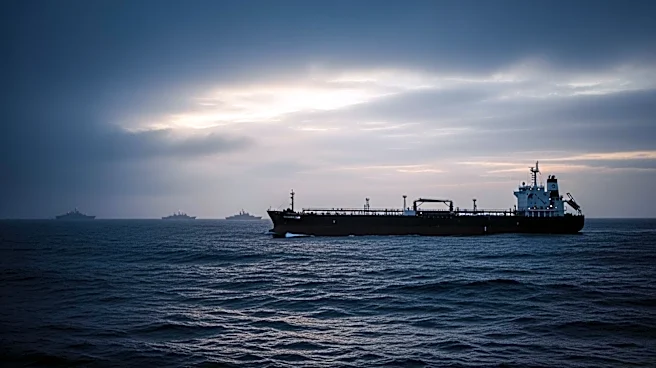
President Trump has stated that he is still awaiting the latest peace proposal from Iran. This comes amidst ongoing skirmishes in the Strait of Hormuz, which threaten the ceasefire between the U.S. and Iran. The situation in the Strait of Hormuz is critical,
as it is a strategic chokepoint for global oil shipments. Any disruption in this area could have significant implications for international trade and energy markets. The U.S. and Iran have been engaged in a tense standoff, with both sides seeking to assert their influence in the region.
Why It's Important?
The tensions in the Strait of Hormuz have broader implications for global stability and economic security. As a major transit route for oil, any conflict in this region could lead to disruptions in oil supply, affecting global energy prices and economic stability. The U.S. and Iran's ability to reach a peaceful resolution is crucial to maintaining stability in the Middle East and preventing further escalation. The outcome of these negotiations could also impact U.S. foreign policy and its relations with other countries in the region.
What's Next?
The next steps involve continued diplomatic efforts to de-escalate tensions and reach a peaceful resolution. Both the U.S. and Iran will need to engage in negotiations to address their differences and find common ground. The international community may also play a role in facilitating dialogue and supporting peace efforts. The situation remains fluid, and the outcome of these negotiations will be closely watched by global stakeholders, including governments, businesses, and energy markets.