




What's Happening?
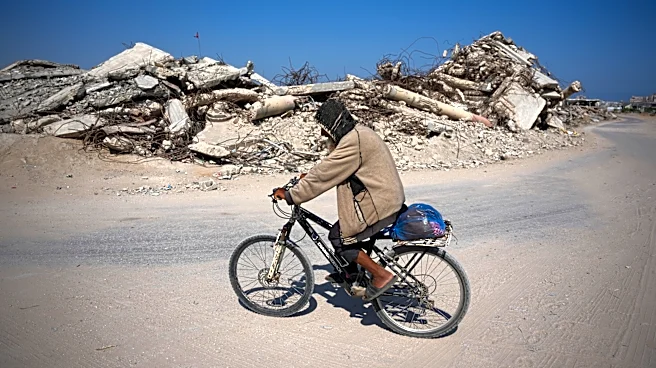
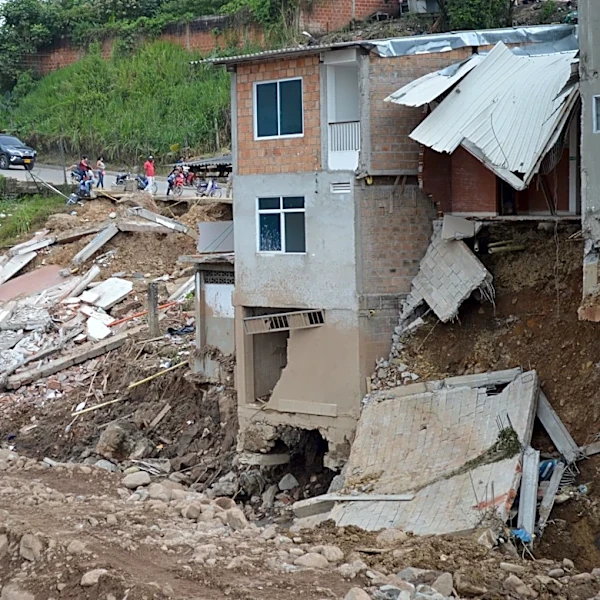
In Yemen's Taiz governorate, poor road infrastructure is exacerbating the water crisis, forcing residents to undertake arduous journeys to access water. With the government unable to fund essential public works due to the ongoing war, grassroots initiatives
have emerged to address these challenges. Local volunteers, led by individuals like Ahmed Fuad, have taken it upon themselves to repair roads and improve access to water. These efforts are supported by community donations and volunteer labor, highlighting the resilience and resourcefulness of local populations in the face of adversity.
Why It's Important?
The grassroots movements in Yemen underscore the critical role of community-led initiatives in addressing humanitarian crises, especially when state support is lacking. These efforts not only provide immediate relief but also foster a sense of empowerment and self-reliance among local populations. The situation in Yemen highlights the broader challenges faced by war-torn regions, where infrastructure decay and resource scarcity compound the difficulties of daily life. The success of these initiatives could serve as a model for other regions facing similar challenges.
What's Next?
As grassroots efforts continue to gain momentum, there may be increased collaboration with international aid organizations to expand the scope and impact of these projects. The Yemeni government, despite its limited resources, may also seek to support these initiatives through policy measures or by facilitating partnerships with external donors. The ongoing conflict, however, remains a significant barrier to long-term development and stability in the region.
Beyond the Headlines
The situation in Yemen raises important questions about the sustainability of grassroots initiatives in the absence of state support. While these efforts provide critical short-term relief, long-term solutions will require systemic changes and international cooperation. The crisis also highlights the ethical responsibility of the global community to support vulnerable populations in conflict zones, emphasizing the need for comprehensive strategies that address both immediate needs and underlying causes of instability.