
What's Happening?
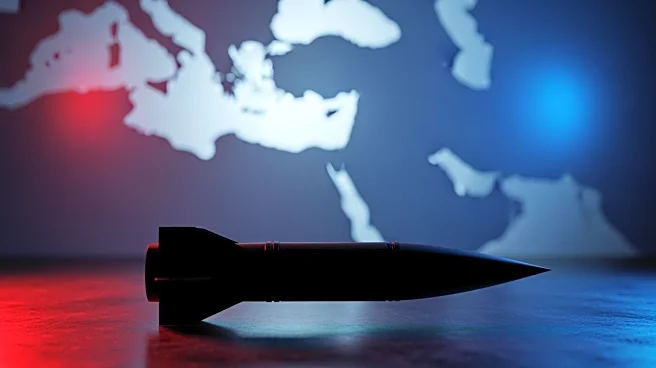
During the Houthi Red Sea Crisis in 2023-2024, the Houthi group in Yemen utilized Iranian-supplied ballistic missile technology to target bulkers and tankers in the Red Sea and Gulf of Aden. These missiles,
despite having imperfect hit rates, demonstrated the capability to strike and damage moving vessels at sea. However, they were vulnerable to interception by Aegis-equipped American destroyers. This development underscores the ongoing tensions in the region and the strategic use of missile technology by non-state actors.
Why It's Important?
The use of ballistic missiles by the Houthi group highlights the increasing sophistication of non-state actors in conflict zones, posing significant threats to international shipping and regional stability. The ability of U.S. naval forces to intercept these missiles demonstrates the effectiveness of American defense systems, but also raises concerns about the proliferation of missile technology and its potential impact on global maritime security. This situation could influence U.S. military and foreign policy decisions in the Middle East, particularly regarding defense cooperation and arms sales to allies in the region.
What's Next?
The continued use of missile technology by the Houthi group may prompt further military responses from the U.S. and its allies, potentially leading to increased naval presence in the region. Diplomatic efforts may also intensify to address the underlying causes of the conflict and to prevent further escalation. Additionally, there may be calls for tighter controls on the proliferation of missile technology to prevent similar incidents in the future.