


What's Happening?
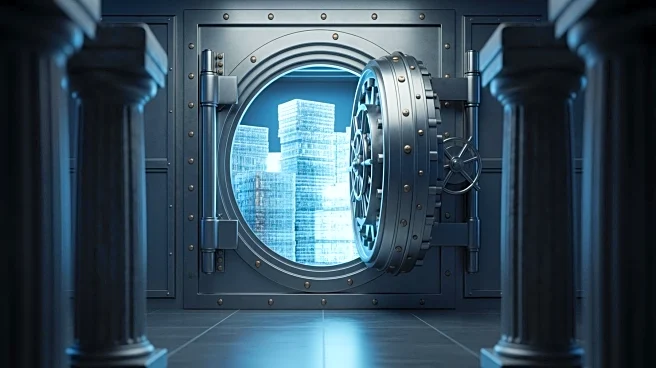
The European Union is poised to secure Russian assets frozen in Europe, a move aimed at preventing Hungary and Slovakia from blocking their use to support Ukraine. This decision, expected to be finalized at an upcoming EU summit, involves approximately
210 billion euros in Russian Central Bank assets. The assets were initially frozen under sanctions imposed on Russia following its invasion of Ukraine in February 2022. The EU's decision is based on treaty rules that allow the bloc to protect its economic interests in emergencies. Hungarian Prime Minister Viktor Orbán has criticized the move, claiming it violates European law, while Slovakia's Prime Minister Robert Fico has expressed concerns about using these assets for Ukraine's military expenses.
Why It's Important?
This development is significant as it highlights the EU's commitment to supporting Ukraine amidst ongoing conflict with Russia. By securing these assets, the EU aims to provide financial and military aid to Ukraine, which has been heavily impacted by the war. The decision also underscores the tensions within the EU, as Hungary and Slovakia oppose further support for Ukraine. The move could potentially strain relations within the EU, as it challenges the unanimity required for sanction renewals. Additionally, the decision reflects the EU's strategic efforts to counter Russian aggression and support Ukraine's sovereignty.
What's Next?
The EU leaders are set to discuss the utilization of these assets at a summit next week. The outcome of these discussions will determine how the funds will be allocated to support Ukraine. Meanwhile, Hungary and Slovakia may continue to oppose the decision, potentially leading to further diplomatic tensions within the EU. The situation also raises questions about the long-term implications for EU-Russia relations and the effectiveness of sanctions as a tool for international diplomacy.