








What's Happening?
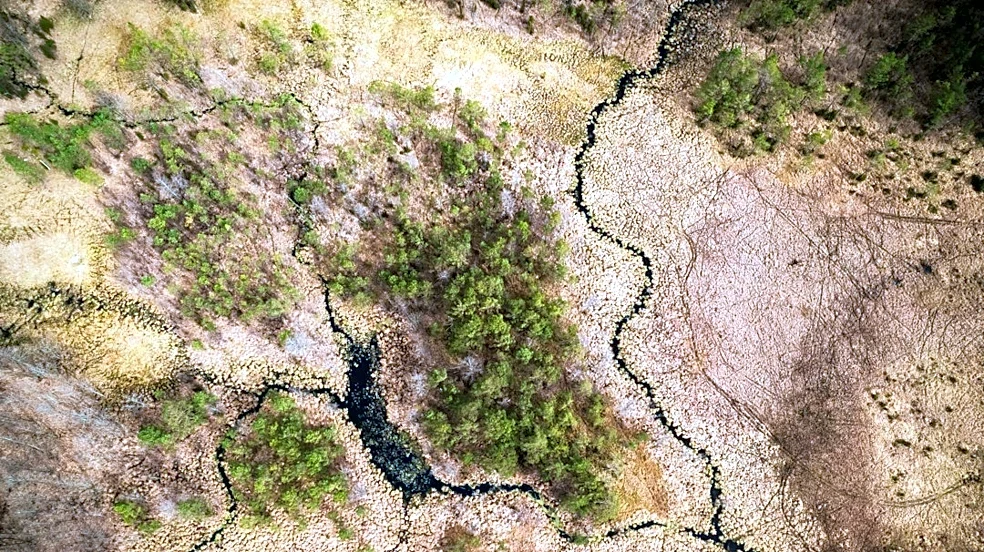
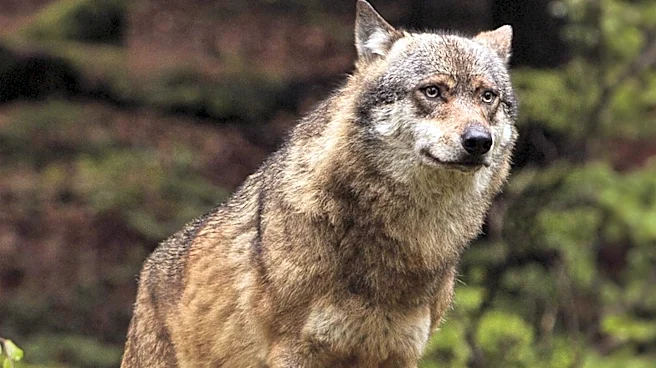
Ecologists in northeast British Columbia have observed an unexpected behavior among wolves: instead of fleeing wildfires, they are actively seeking out and remaining near active and recently extinguished burn sites. This contradicts the typical animal
response to fire. Researchers noted that wolves were drawn to areas with smoldering combustion and retained heat, and they quickened their pace through heavy smoke, suggesting an intuitive warning system. This behavior is believed to be driven by unique hunting opportunities presented by wildfires, as prey animals like caribou, elk, moose, and beavers attempt to escape the blazes. Wolves are utilizing these fire-affected zones to ambush fleeing prey, reducing the energy expenditure typically required for hunting.
Why It's Important?
This discovery challenges previous understandings of animal behavior during natural disasters and highlights the adaptability of certain species. For ecological studies, it provides new insights into predator-prey dynamics in fire-prone landscapes and how some animals may exploit environmental disturbances for survival. The observation that wolves use anthropogenic disturbances like logging routes to navigate these areas also points to a complex interaction between wildlife and human-altered environments. This behavior could influence the distribution and population dynamics of wolf packs, potentially leading to their re-establishment in areas previously thought to be uninhabitable or where they were considered extinct, as seen in the 2021 California Windy Fire.
What's Next?
Further research will likely focus on understanding the long-term ecological impacts of this wolf behavior, including its effects on prey populations and the overall ecosystem balance in fire-affected regions. Scientists may also investigate whether similar behaviors are observed in other predator species or in different geographical contexts. The findings could inform wildlife management strategies in areas prone to wildfires, potentially leading to new considerations for conservation efforts and human-wildlife coexistence in changing landscapes. Understanding these adaptations is crucial as climate change increases the frequency and intensity of wildfires globally.
Beyond the Headlines
The phenomenon of wolves utilizing wildfires for hunting presents a fascinating paradox: an event as destructive as a forest fire, which devastates ecosystems and displaces countless species, can simultaneously create a unique advantage for a top predator. This highlights the intricate and often counterintuitive ways in which nature adapts to extreme conditions. It also raises questions about the broader implications of such adaptations in a world increasingly affected by climate change. The ability of wolves to thrive in these harsh, dynamic environments underscores their intelligence and resilience, offering a deeper appreciation for the complex survival strategies within the animal kingdom.