




What's Happening?
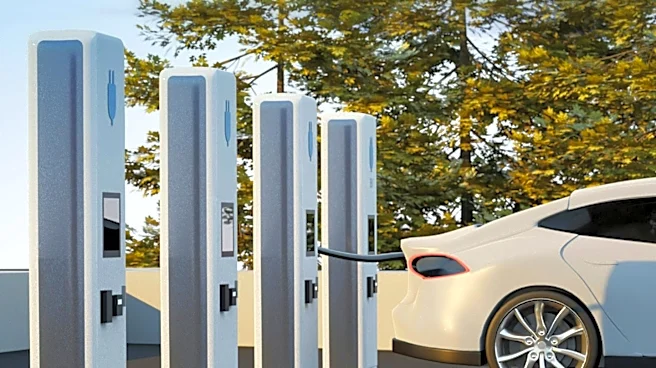
The Town of Falmouth, Massachusetts, is actively working to facilitate the adoption of electric vehicles (EVs) among its residents, businesses, and visitors. This initiative includes providing comprehensive information on EV basics, available charging
options, and public charging station locations. Falmouth is also dedicated to informing the community about various rebates and incentives for EV purchases and charging infrastructure installation. The town's efforts are part of its pursuit of the 'Charging Smart Designation,' a national recognition program for communities that support EV adoption and expand charging access. Falmouth has already taken significant steps, such as collaborating with electric utilities, developing an EV charging permitting checklist for residential and non-residential projects, and installing publicly available EV chargers. These actions aim to simplify the permitting process and make EV charging more accessible throughout the community. The town is further reviewing local zoning requirements to address potential barriers to EV charging deployment and developing a standard permit application process.
Why It's Important?
Falmouth's proactive approach to EV adoption is important for several reasons. By making it easier for individuals and businesses to transition to EVs, the town contributes to reducing transportation emissions and local air pollution, aligning with broader environmental sustainability goals. EVs offer lower long-term operating costs due to cheaper electricity compared to gasoline and reduced maintenance needs, benefiting consumers and businesses financially. The expansion of charging infrastructure addresses a key barrier to EV adoption, known as 'range anxiety,' by ensuring convenient charging options for daily use and longer trips. This initiative also positions Falmouth as a forward-thinking community in the national shift towards electric transportation, potentially attracting environmentally conscious residents and businesses. The focus on streamlining permitting processes and providing incentives can serve as a model for other municipalities looking to accelerate their own EV integration efforts, fostering a more sustainable and economically efficient transportation future.
What's Next?
Falmouth plans to continue its efforts by further reviewing local zoning requirements to identify and eliminate any obstacles to EV charging deployment. The town is also developing a standardized EV charging permit application process for both residential and non-residential projects to ensure consistency and ease of access. A community-wide EV vision is being created to guide future planning and infrastructure decisions, ensuring a cohesive and strategic approach to EV integration. Additionally, Falmouth will continue to provide updated EV information and resources through its webpage and develop educational materials, including video content, to help residents learn more about EVs and charging. These ongoing initiatives aim to make it even easier for residents, businesses, and visitors to understand EV options, install charging infrastructure, and access public charging in the community, with updates provided as new resources and programs become available.
Beyond the Headlines
The Town of Falmouth's commitment to becoming an EV-ready community reflects a broader societal shift towards sustainable practices and energy independence. Beyond the immediate benefits of reduced emissions and lower operating costs, this initiative fosters a culture of environmental responsibility and technological innovation. The focus on simplifying permitting and providing clear information addresses the often-complex bureaucratic hurdles that can deter individuals and businesses from adopting new technologies. By actively pursuing the 'Charging Smart Designation,' Falmouth is not only improving its local infrastructure but also contributing to a national network of EV-friendly communities, which can have a ripple effect on regional and national EV adoption rates. This effort highlights the critical role of local governments in driving national sustainability goals and adapting to evolving technological landscapes, ultimately shaping a cleaner and more efficient future for transportation.