






What's Happening?
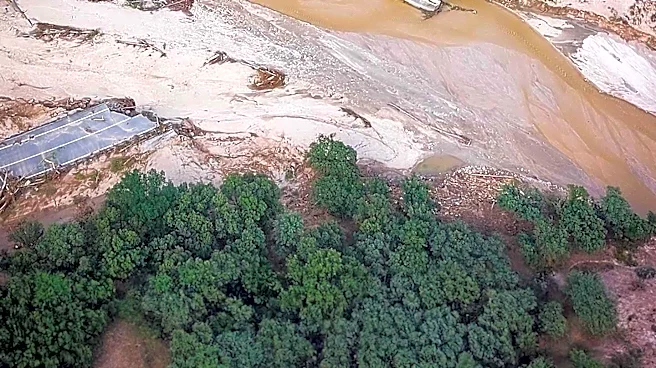
Richmond County, Nova Scotia, has declared a state of local emergency due to severe flooding and extensive infrastructure damage caused by a recent storm. The region experienced up to 250 millimeters of rain, leading to unprecedented flooding in areas
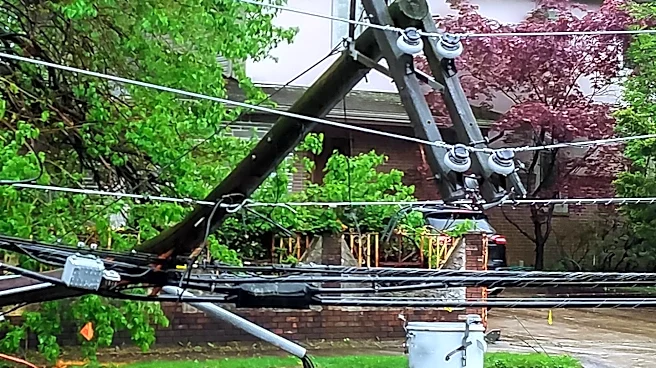
previously unaffected. This deluge has resulted in numerous washed-out roads, effectively cutting off entire neighborhoods and stranding residents. Emergency crews are actively assessing the damage to roadways and prioritizing repairs. The storm also caused significant utility disruptions, with over 38,000 Nova Scotia Power customers initially losing electricity, though this number decreased to 7,000 by Saturday evening. The local fire department has responded to approximately 30 calls for flooded basements. The ongoing rainfall is expected to continue, with additional precipitation forecasted for Victoria and Cape Breton counties.
Why It's Important?
The declaration of a state of emergency in Richmond County underscores the immediate and severe impact of extreme weather events on local communities and infrastructure. The widespread road damage not only isolates residents but also disrupts essential services and economic activities, such as the inability of businesses like the Bras d'Or Lakes Inn to operate normally. The extensive power outages further compound the challenges, affecting daily life and potentially posing health risks, especially for vulnerable populations like seniors who may be cut off from emergency services. The incident highlights the vulnerability of existing infrastructure, particularly culverts, which have been a long-standing concern, to increasingly intense weather patterns. This event serves as a critical reminder of the need for resilient infrastructure and effective emergency response mechanisms in the face of climate-related challenges.
What's Next?
Emergency crews will continue their efforts to assess the full extent of the damage and prioritize repairs to critical infrastructure, particularly roadways. A toll-free municipal support line has been established for residents to report non-emergency issues, indicating ongoing efforts to manage the crisis and provide assistance. Temporary solutions are expected to be implemented to reopen sections of highways once floodwaters recede. Residents are advised to check on neighbors and avoid unnecessary travel. The lingering showers and additional rainfall forecasted for the region suggest that the immediate challenges of flooding and road closures will persist, requiring sustained emergency response and recovery efforts. The long-term focus will likely shift towards rebuilding and enhancing infrastructure to withstand future severe weather events.
Beyond the Headlines
This event in Richmond County brings to light the broader implications of climate change and its impact on local governance and community resilience. The fact that areas previously untouched by flooding are now submerged suggests a shift in weather patterns, challenging historical assumptions about flood risk. The long-standing concerns about the age and state of culverts, now exacerbated by the storm, highlight a systemic issue of underinvestment in infrastructure maintenance and upgrades. This situation could trigger a re-evaluation of infrastructure planning and funding at the provincial and federal levels, emphasizing preventative measures rather than reactive repairs. Furthermore, the isolation of communities and the vulnerability of elderly residents underscore the social equity dimensions of disaster preparedness and response, prompting discussions on how to better protect and support all community members during such crises.