






What's Happening?
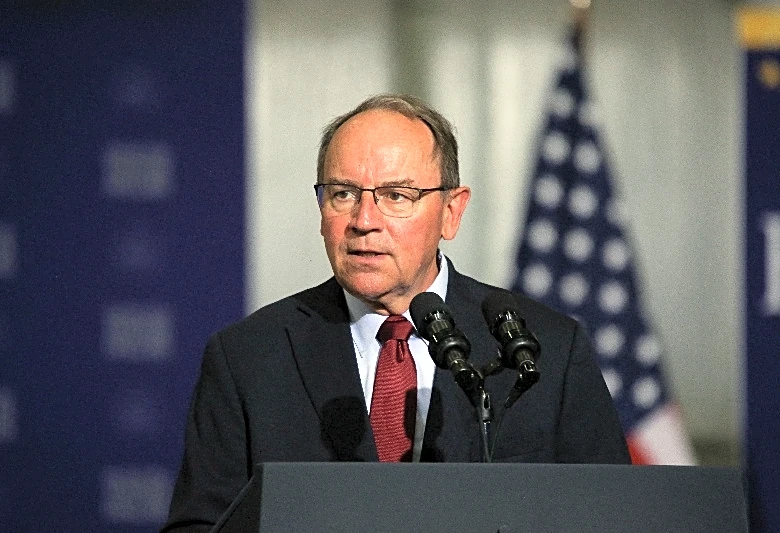
State Senator Christopher Belt (D-Swansea) has successfully secured nearly $1.5 million in funding to expand workforce training initiatives in the Metro East area of Illinois. This funding is part of a larger $11 million allocation distributed to 23 organizations
across Illinois through the Job Training and Economic Development (JTED) Program. The program aims to provide essential skills and resources to individuals seeking in-demand careers, while simultaneously assisting employers in building a qualified workforce. The JTED program specifically targets individuals facing barriers to employment, including the underemployed, unemployed, and underrepresented youth. In Senator Belt's district, the Reset to Success Foundation received $555,000, Soulcial Kitchen was awarded nearly $407,000 for its Food Truck Apprentice Program, and Southwestern Illinois College secured nearly $487,000.
Why It's Important?
This significant investment in workforce training is crucial for addressing economic disparities and fostering growth in the Metro East region. By connecting individuals with the necessary skills for current job market demands, the program helps reduce unemployment and underemployment, leading to improved economic stability for families and communities. For businesses, access to a skilled workforce is vital for growth and competitiveness, making these grants a direct investment in the region's economic future. The focus on individuals facing barriers to employment, including at-risk youth, highlights a commitment to inclusive economic development, ensuring that opportunities are accessible to a broader segment of the population. This initiative also strengthens local educational institutions and non-profit organizations, enabling them to expand their reach and impact.
What's Next?
The awarded organizations, including the Reset to Success Foundation, Soulcial Kitchen, and Southwestern Illinois College, will now implement and expand their respective workforce training programs. These programs are expected to provide direct training, career pathways, and support services to Illinoisans. The success of these initiatives will likely be measured by the number of individuals who gain employment, the retention rates in new careers, and the overall impact on local business growth. Continued monitoring and evaluation of these programs will be essential to ensure their effectiveness and to inform future funding decisions for workforce development in Illinois. The state government may also look to replicate successful models from these programs in other regions facing similar workforce challenges.
Beyond the Headlines
The investment in workforce training in the Metro East area reflects a broader national trend towards addressing skills gaps and promoting economic resilience through targeted educational and vocational programs. Such initiatives are vital for adapting to evolving economic landscapes, particularly with the rise of new industries and technologies. Beyond immediate job placement, these programs can foster long-term career development, enhance social mobility, and reduce reliance on social welfare programs. The collaboration between state government, non-profit organizations, and educational institutions exemplifies a multi-faceted approach to community development, recognizing that economic prosperity is intertwined with educational attainment and accessible training opportunities. This model could serve as a blueprint for other states grappling with similar workforce challenges.