







What's Happening?
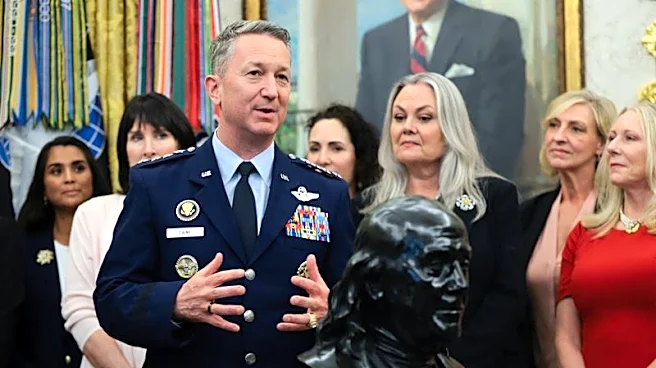
U.S. Representative Tim Walberg, a Republican from Michigan and Chair of the Education & Workforce Committee, convened a field hearing in Richmond, Michigan. The hearing, held on August 25 at Richmond City Hall, addressed the public criticism faced by
Raymond Stier, a Richmond school board member, for missing meetings while deployed with the Michigan National Guard in the Middle East. Two fellow board members had publicly criticized Stier, suggesting he should have resigned. The hearing featured testimony from Amy Stier, Raymond Stier's wife, who described the impact of the criticism on her family. Representative Lisa McClain, who encouraged the hearing, stated her belief that such criticism was inappropriate and highlighted the community's positive backlash in support of Stier. The hearing also included testimony from an education policy expert and a superintendent of South Carolina charter schools, both advocating for increased involvement of military members and veterans in education and for school board elections to coincide with general elections.
Why It's Important?
This hearing underscores a broader national discussion about the role of military service members in local governance and the challenges they face when fulfilling both civic and military duties. The criticism of Raymond Stier, a deployed service member, highlights potential conflicts between community expectations and the demands of military service, raising questions about support for veterans and active personnel in public office. The discussion about integrating more military personnel into educational leadership, as advocated by witnesses, suggests a potential shift in how schools might leverage the leadership and values often associated with military experience. Furthermore, the call for school board elections to align with general elections points to ongoing debates about voter turnout, the influence of special interest groups, and the representativeness of local school boards across the U.S.
What's Next?
The hearing's focus on supporting military members in education and local governance may prompt further legislative discussions or policy recommendations at both federal and state levels. Lawmakers like Representatives Walberg and McClain may continue to advocate for measures that protect and encourage service members' participation in civic roles. The testimony regarding school board election timing could fuel efforts to reform local election processes, potentially leading to legislative proposals aimed at increasing voter engagement and reducing the perceived influence of specific groups. Local communities might also see increased awareness and support for their service members serving in public office, potentially influencing future local election dynamics and community engagement with military families.
Beyond the Headlines
The controversy surrounding Raymond Stier touches upon deeper societal values concerning patriotism, public service, and community responsibility. The negative reaction to the criticism of a deployed service member reflects a strong public sentiment that military service should be honored and protected, not penalized. This incident also highlights the increasing politicization of local school boards, where issues beyond traditional educational policy, such as support for military families, can become flashpoints. The broader implications include a potential re-evaluation of how communities and governing bodies accommodate the unique circumstances of military personnel, ensuring that their service to the nation does not hinder their ability to serve their local communities in other capacities. It also brings to light the ongoing tension between local autonomy and national values regarding military appreciation.