




What's Happening?
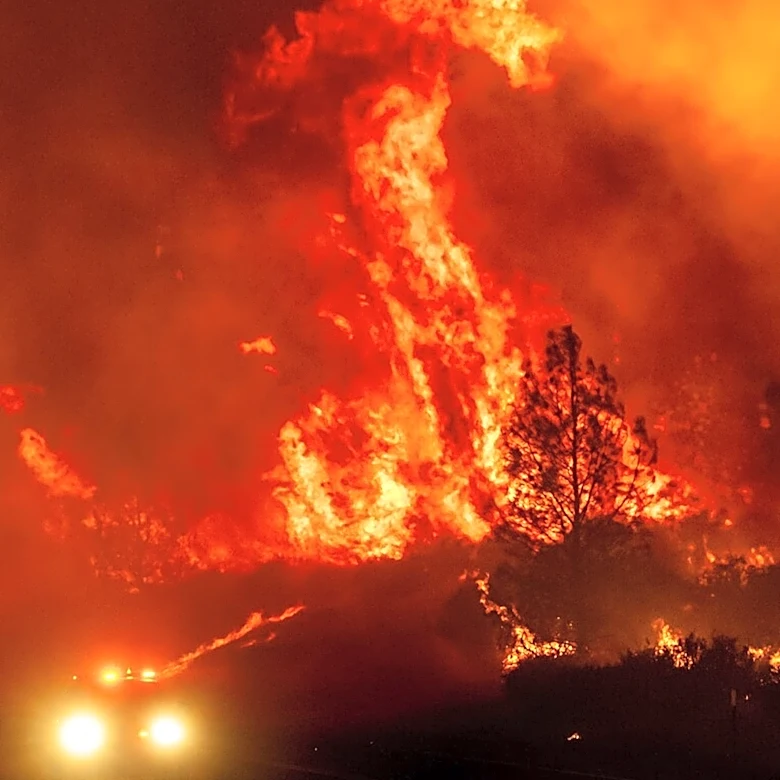
Officials in New Mexico are urging residents to prepare for flash floods as the risk increases across the state. The National Weather Service has issued flash flood warnings for several areas, particularly those still recovering from recent wildfires.
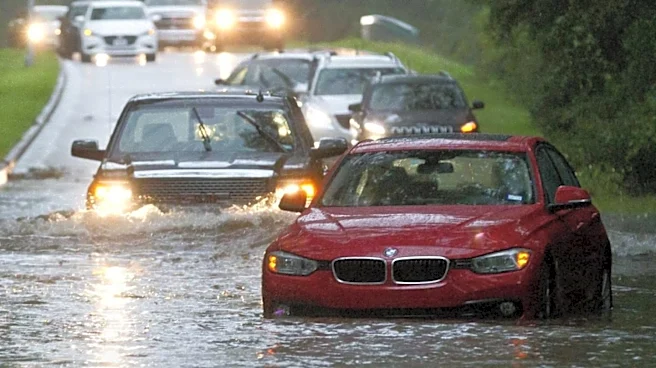
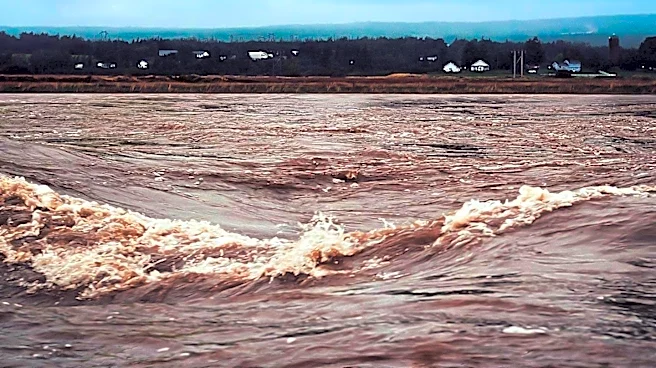
Albuquerque Fire Rescue highlights that flash floods are the leading weather-related cause of death in the nation, accounting for approximately 140 fatalities annually. Additionally, flooding causes more damage than any other severe weather event, with an average of $5 billion in damages each year. Flash floods can develop rapidly, reaching their peak within minutes, and the fast-moving water can carry debris, uproot trees, and destroy infrastructure. Water levels can rise significantly, sometimes by 30 feet or more. Residents in flood-prone areas are advised to have an evacuation plan and keep materials like sandbags, plywood, plastic sheeting, and lumber on hand for protection and emergency repairs. Albuquerque Fire Rescue has trained crews at 11 stations available for water rescues and provides sand and sandbags at two of its stations.
Why It's Important?
The emphasis on flash flood preparedness in New Mexico is crucial due to the significant threat these events pose to public safety and infrastructure. Flash floods are not only the deadliest weather-related phenomenon in the U.S. but also the most economically damaging, impacting communities, businesses, and public services. The warnings are particularly vital for areas recently affected by wildfires, as burned landscapes are more susceptible to rapid runoff and severe flooding. The proactive measures, such as encouraging evacuation plans and providing resources like sandbags, aim to mitigate potential loss of life and property. The involvement of local fire rescue services underscores the immediate and tangible risks faced by residents, highlighting the need for community-wide awareness and individual readiness to minimize the devastating consequences of these natural disasters.
What's Next?
New Mexico residents should anticipate continued flash flood warnings and advisories, especially during periods of heavy rainfall. Authorities will likely maintain their efforts to disseminate information regarding flood risks and preparedness measures. The availability of sand and sandbags at Albuquerque Fire Rescue stations suggests an ongoing commitment to providing immediate resources for residents to protect their properties. Communities, particularly those in wildfire-affected regions, will need to remain vigilant and adhere to official guidance, including evacuation orders. The long-term focus will likely involve continued monitoring of weather patterns, public education campaigns on flood safety, and potentially infrastructure improvements to enhance flood resilience in vulnerable areas. The emphasis on preparedness is expected to continue as a key strategy to reduce the impact of future flash flood events.
Beyond the Headlines
The recurring threat of flash floods in New Mexico, exacerbated by factors like wildfires, points to broader environmental and societal challenges. The significant annual death toll and economic damage underscore the persistent vulnerability of communities to natural disasters, raising questions about urban planning, land use in floodplains, and the effectiveness of current warning systems. The need for individual preparedness, while critical, also highlights potential disparities in access to resources and information among different socioeconomic groups. Furthermore, the link between wildfires and increased flood risk suggests a complex interplay of environmental factors, possibly influenced by climate change, which could lead to more frequent and intense events. This situation prompts a deeper consideration of long-term strategies for disaster resilience, including ecological restoration, improved early warning technologies, and comprehensive community planning that integrates climate adaptation measures.