





What's Happening?
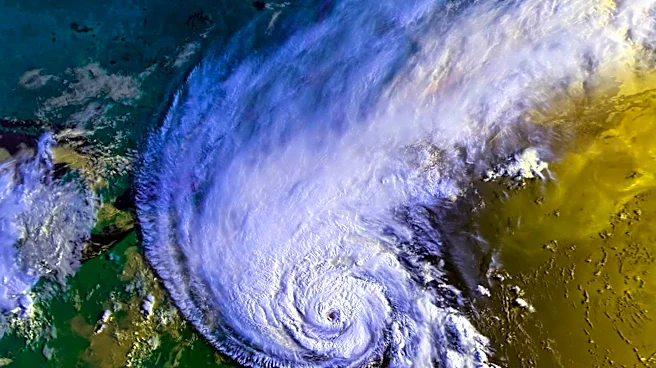
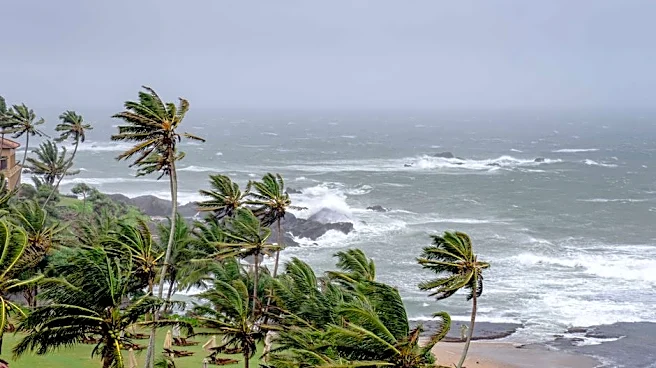
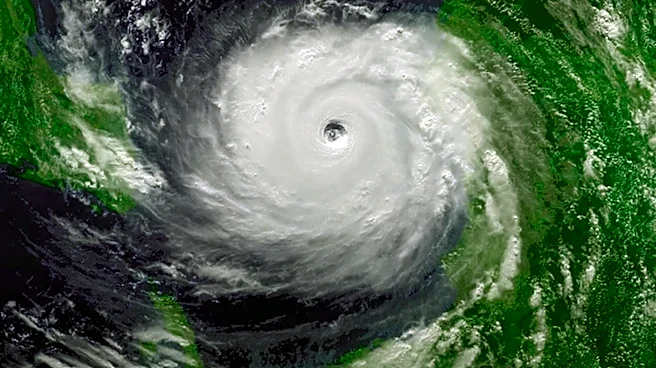
The National Oceanic and Atmospheric Administration (NOAA) has forecasted a 55 percent chance of a below-normal Atlantic hurricane season for 2026. This prediction is influenced by the expected presence of El Niño, which typically increases wind shear
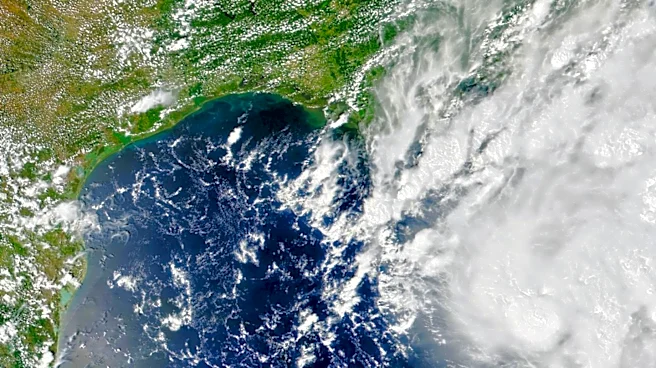
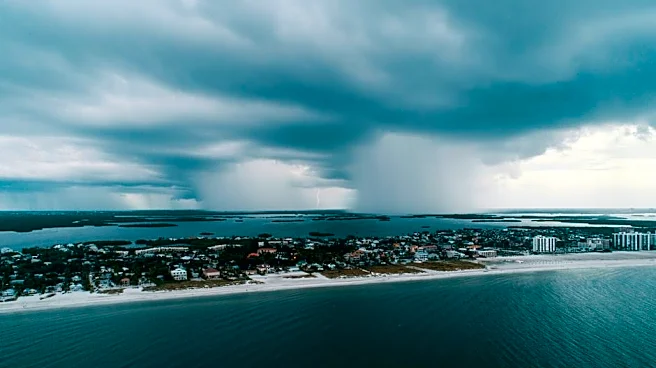
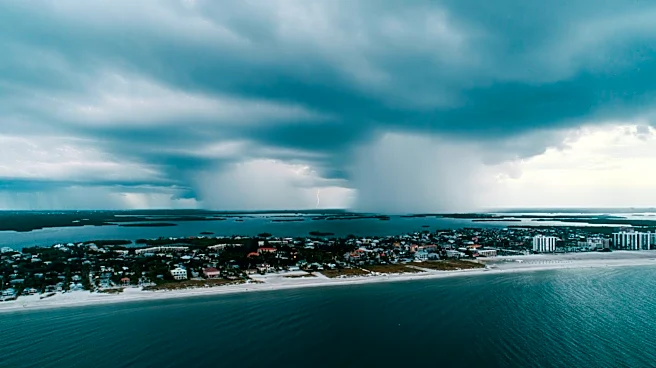
over the Atlantic, making it more difficult for tropical systems to develop. The forecast anticipates eight to 14 named storms, with three to six potentially becoming hurricanes, and one to three reaching Category 3 strength or higher. Despite the subdued start to the season, with only Tropical Storm Arthur forming so far, the historically busiest period is yet to come, as activity usually peaks around September 10. Currently, a tropical disturbance in the eastern Gulf is causing concern for residents in Florida and the Southeast, with heavy rain and potential flooding expected, although the system has not yet developed into a named storm.
Why It's Important?
The prediction of a below-normal hurricane season is significant for the southeastern United States, which often faces severe impacts from tropical storms and hurricanes. A quieter season could mean reduced risk of property damage, economic disruption, and loss of life. However, the presence of El Niño, while reducing the likelihood of storm formation, does not eliminate the threat entirely. Communities in hurricane-prone areas must remain vigilant, as even a single major storm can have devastating effects. The economic implications are also notable, as fewer storms could lead to lower insurance claims and reduced costs for emergency preparedness and response. Additionally, the agricultural sector, which can be severely impacted by hurricanes, might experience less disruption, potentially stabilizing food supply chains.
What's Next?
As the Atlantic hurricane season progresses, monitoring of weather patterns will continue, especially as the peak period approaches. Residents in vulnerable areas are advised to stay informed about weather updates and prepare for potential storms. Emergency management agencies will likely maintain readiness plans to respond quickly if conditions worsen. The influence of El Niño will be closely watched, as it can also affect weather patterns globally, impacting agriculture, water resources, and energy sectors. Stakeholders in these areas may need to adjust strategies based on evolving forecasts and potential climate impacts.