






What's Happening?
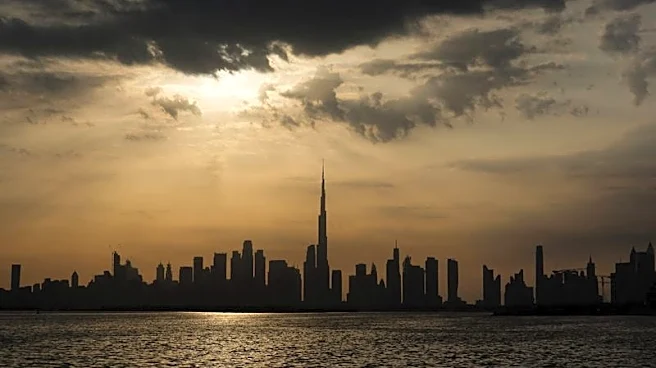
The Middle East continues to be a pivotal player in the global energy market, but its role is evolving amid increased volatility and strategic shifts. Saudi Arabia and the UAE remain central to global markets due to their ability to adjust output and influence
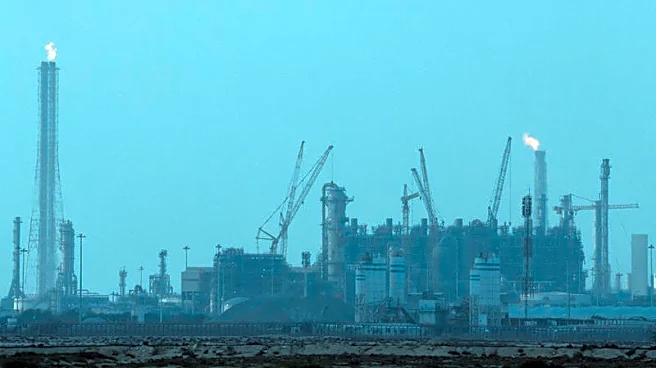
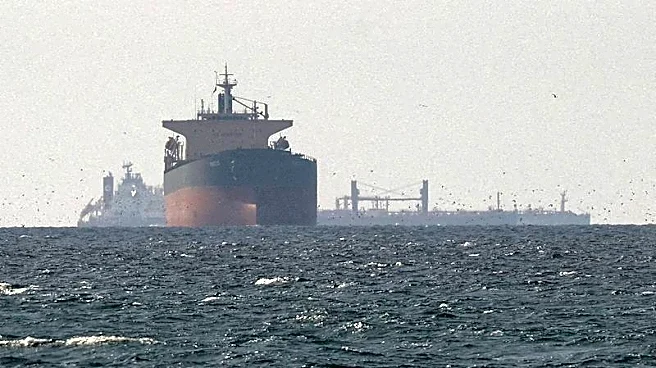
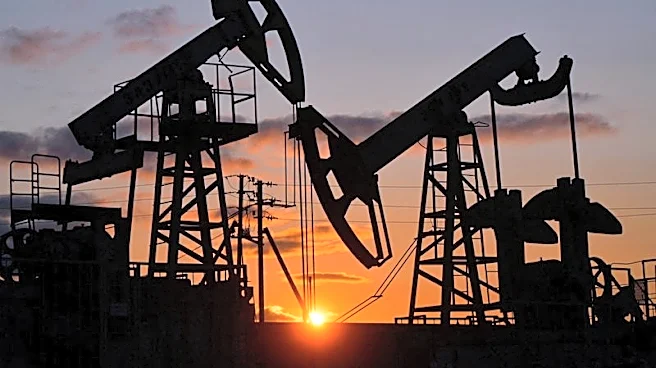
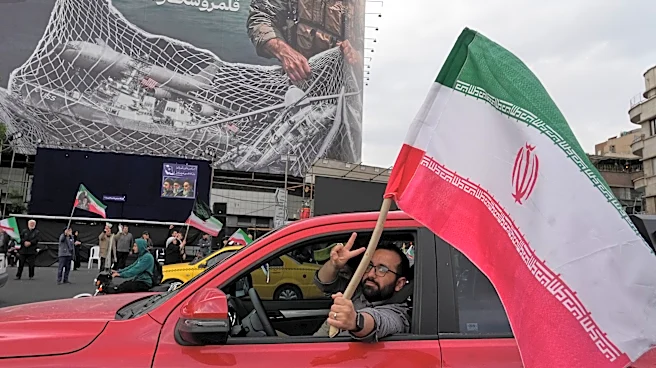
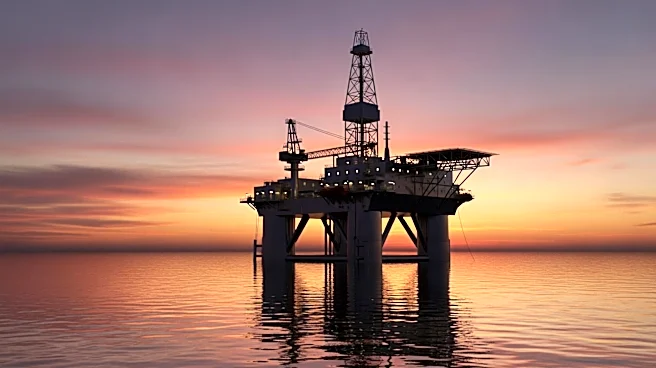
prices. However, the region is now seen as both a stabilizing force and a source of potential disruption. The Strait of Hormuz, a critical chokepoint for global energy, underscores this dual role, as any perceived disruption can significantly impact oil, gas, and refined product markets. Producers in the region are responding by investing in upstream capacity, expanding LNG production, particularly in Qatar, and scrutinizing export routes and logistics. The focus is also on downstream and petrochemical integration, with reliability becoming a key part of the value proposition.
Why It's Important?
The evolving role of the Middle East in global energy supply has significant implications for international markets. As the region transitions from a dominant supplier to a core stabilizer, its ability to maintain consistent supply amid geopolitical tensions becomes crucial. This shift highlights the strategic importance of the Middle East in a fragmented global system, where disruptions can have widespread consequences. The increased focus on reliability and strategic investments in capacity and logistics reflect the region's adaptation to these challenges. For global markets, this means that even minor disruptions in the Middle East can lead to significant volatility, affecting energy prices and supply chains worldwide.
What's Next?
As the Middle East continues to adapt to its evolving role, further investments in infrastructure and capacity are expected. The region's producers will likely continue to focus on enhancing reliability and expanding their influence in global markets. This may involve increased collaboration with international partners and further integration of downstream and petrochemical operations. Additionally, geopolitical developments and regional dynamics will continue to shape the strategic decisions of Middle Eastern energy producers. Stakeholders, including governments and businesses, will need to monitor these developments closely to mitigate risks and capitalize on opportunities in the global energy landscape.