




What's Happening?
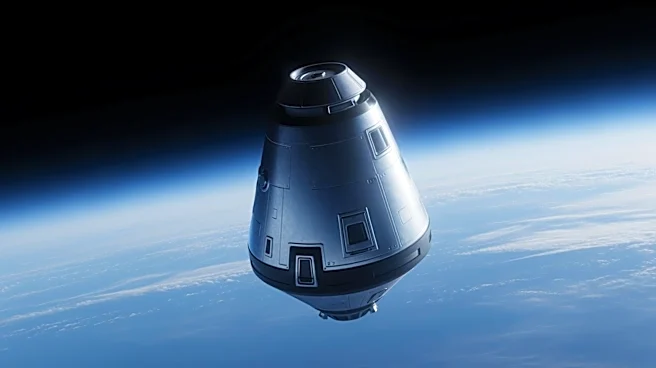
NASA's Artemis II mission has successfully concluded with a splashdown in the Pacific Ocean, marking the first human journey to the moon in over 50 years. The mission, which included astronauts Reid Wiseman, Victor Glover, Christina Koch, and Canadian
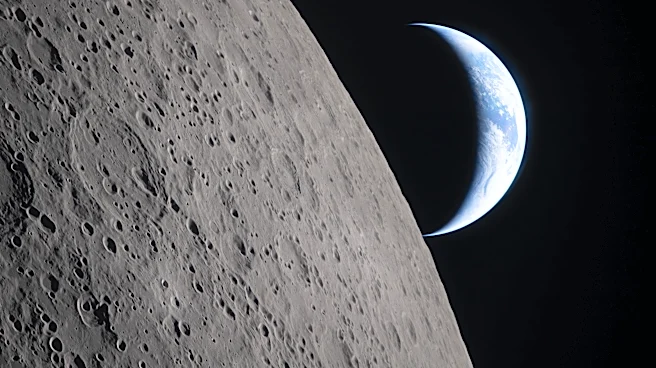
astronaut Jeremy Hansen, set new records for the farthest distance traveled from Earth. The Orion capsule, named Integrity, re-entered Earth's atmosphere at Mach 33, a speed not seen since the Apollo missions. The mission unveiled new lunar landscapes and treated the crew to a solar eclipse. The astronauts were safely recovered by the USS John P Murtha after their capsule splashed down off the coast of California.
Why It's Important?
The successful completion of the Artemis II mission is a significant milestone for NASA's lunar exploration program. It paves the way for future missions, including a planned moon landing in two years and the establishment of a permanent lunar base within the decade. This mission not only advances scientific understanding of the moon but also demonstrates the capabilities of modern space technology. The involvement of international astronauts highlights the collaborative nature of space exploration, potentially leading to more global partnerships in future missions.
What's Next?
Following the success of Artemis II, NASA is preparing for Artemis III, which aims to land astronauts on the moon. This mission will focus on establishing a sustainable human presence on the lunar surface, serving as a stepping stone for future Mars exploration. The data and experience gained from Artemis II will inform the design and execution of these upcoming missions. Additionally, NASA will continue to engage with international partners to expand the scope and impact of its lunar exploration efforts.