
What's Happening?
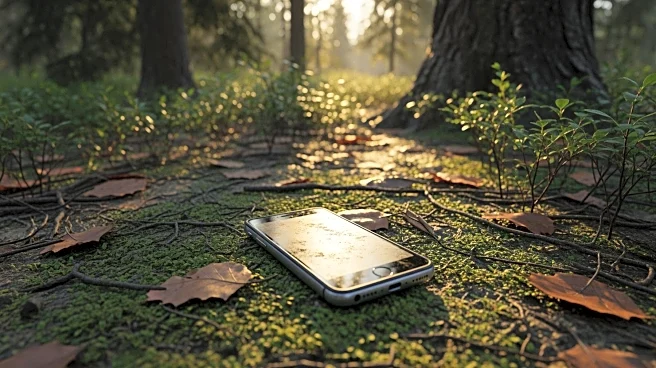
The phone of Celine Cremer, a Belgian woman who disappeared over two years ago in the Tasmanian wilderness, has been discovered by an independent search party. Cremer was last seen on June 17, 2023, in Waratah,
Tasmania, and her car was found 10 days later near Philosopher Falls, a dense rainforest area. The phone was located at a waterfall, a site previously searched, suggesting Cremer may have deviated from her path using an app on her phone. Tasmania Police, who were not leading the search, have now joined the efforts following this discovery. The phone will undergo forensic examination to gather more information. Harsh winter weather has delayed further search operations, but police plan to continue once conditions improve.
Why It's Important?
The discovery of Cremer's phone is a significant development in a case that has remained unsolved for over two years. It provides a new lead that could potentially unravel the mystery of her disappearance. The involvement of Tasmania Police in the search efforts following the phone's discovery underscores the importance of this find. This case highlights the challenges of search and rescue operations in remote and harsh environments, emphasizing the need for continued support and resources for such efforts. The emotional impact on Cremer's family and friends, who have been actively involved in the search, is profound, offering a glimmer of hope for closure.
What's Next?
With the phone now in police custody, forensic analysis will be crucial in determining any new leads or information about Cremer's last known movements. The police plan to resume search operations once weather conditions permit, potentially involving more extensive searches in the area where the phone was found. The ongoing investigation may also prompt further public appeals for information, as authorities seek to piece together the events leading to Cremer's disappearance. The involvement of Cremer's friends and family in the search efforts may continue to play a vital role in maintaining public interest and support for the case.
Beyond the Headlines
This case raises broader questions about the safety and risks associated with solo travel in remote areas, particularly for tourists unfamiliar with local terrains. It also highlights the role of technology, such as mobile apps, in navigation and the potential consequences when such technology fails or is lost. The emotional and psychological toll on families of missing persons is another critical aspect, as they navigate the uncertainty and hope for resolution. The case may influence future policies or guidelines for search and rescue operations in similar environments, emphasizing the need for preparedness and awareness among travelers.