










What's Happening?
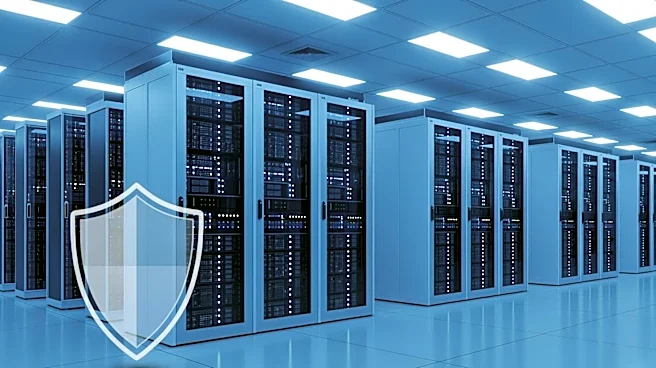
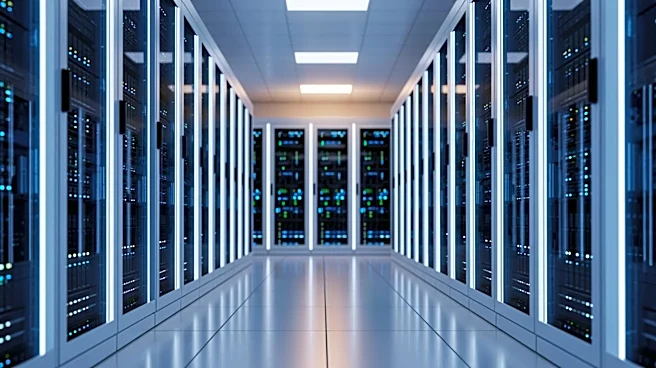
Electric bills in the United States have increased by more than 20% in some states over the past year, with consumer advocates pointing to the rapid expansion of AI data centers as a contributing factor. These data centers, which house the servers and
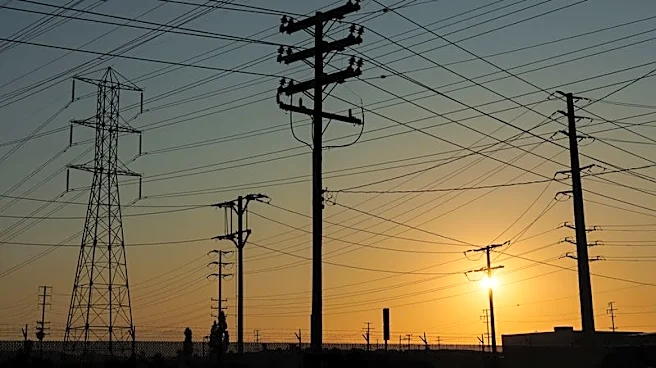
equipment necessary for internet and AI services, have proliferated since the introduction of AI tools like ChatGPT. Nearly a thousand hyperscale data centers are reportedly in development, each consuming as much electricity as a small city. This surge in demand places additional strain on the aging electric grid, potentially leading to higher utility costs for consumers. Areas with high concentrations of data centers, such as Northern Virginia, have been particularly affected, with residents experiencing significant increases in their electricity bills.
Why It's Important?
The expansion of AI data centers highlights the hidden costs associated with the growing reliance on artificial intelligence technologies. As these centers require substantial electricity, they contribute to increased utility rates, impacting household budgets across the country. This situation underscores the need for consumers to be aware of how technological infrastructure can affect their expenses. Additionally, the strain on the electric grid raises concerns about the sustainability of current energy consumption patterns and the potential need for infrastructure upgrades. The involvement of public utility commissions in regulating rate increases provides a mechanism for consumer input, but also highlights the complexity of balancing technological advancement with economic and environmental considerations.
What's Next?
As AI technology continues to expand, consumers and policymakers will need to address the challenges posed by the energy demands of data centers. Public utility commissions will play a crucial role in determining how rate increases are managed and ensuring that consumer interests are considered. Residents in affected areas are encouraged to participate in public hearings and provide feedback on proposed rate changes. Additionally, there may be increased pressure on utility companies to invest in renewable energy sources and grid improvements to accommodate the growing demand. The ongoing dialogue between technology developers, utility providers, and consumers will be essential in finding sustainable solutions.