




What's Happening?
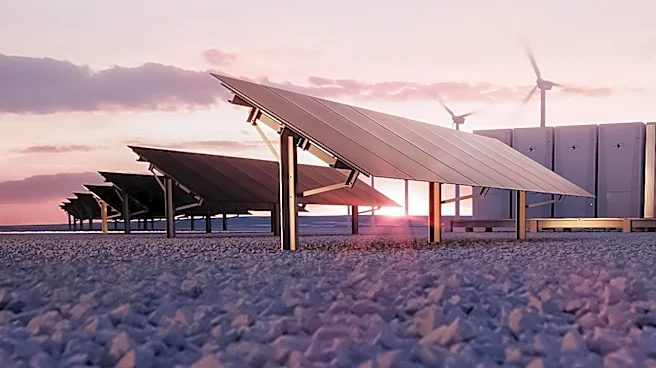
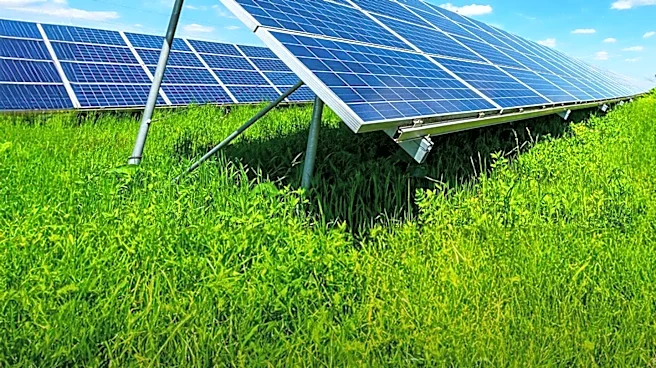
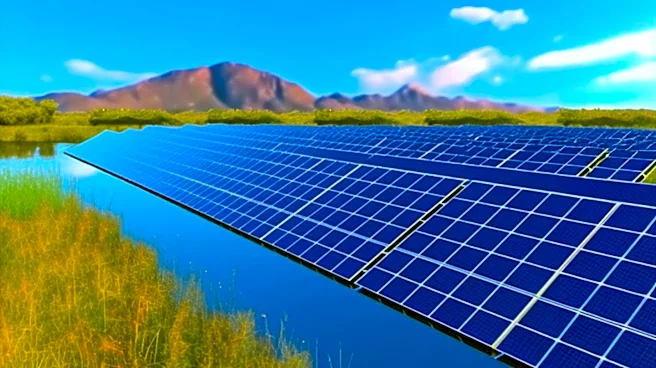
U.S. Rep. Bill Foster, a Naperville Democrat, recently spoke at the energization of a 7.7-megawatt community solar project in DeKalb, Illinois. This project, operated by SunVest Solar, utilizes 13,000 solar modules installed on 47 acres of municipal land
near the DeKalb Taylor Municipal Airport. The initiative aims to provide clean, affordable energy to local families and small businesses. A significant aspect of this project is its commitment to low-to-moderate income (LMI) customers, who account for 60% of the subscription capacity. These subscribers are expected to save an average of $200 to $300 annually on their electric bills. Foster emphasized the importance of expanding such clean energy projects to meet the nation's growing energy demands and expressed pride in Illinois's leadership in this area. The project allows individuals who do not own property to benefit from renewable energy by subscribing to a shared solar system.
Why It's Important?
This community solar project in DeKalb is important as it exemplifies a growing trend in the U.S. towards decentralized renewable energy solutions, particularly those designed to benefit underserved communities. By dedicating a majority of its capacity to LMI customers, the project directly addresses energy equity, ensuring that the economic and environmental benefits of solar power are accessible to a broader demographic. The average annual savings of $200 to $300 for these households can significantly impact their financial well-being. Furthermore, the project's location on municipal land near an airport demonstrates innovative land use for renewable energy generation, potentially setting a precedent for similar developments nationwide. U.S. Rep. Foster's endorsement underscores the federal government's recognition of such initiatives as crucial for national energy independence and climate goals, highlighting Illinois's role as a leader in clean energy expansion.
What's Next?
The successful energization of this 7.7-megawatt community solar project is expected to serve as a model for future clean energy developments across Illinois and potentially other states. The project's long-term operating lease agreement between the city and SunVest Solar, effective for 25 years, ensures sustained energy production and community benefits. Officials anticipate continued growth in customer adoption of distributed energy resources, with ComEd reporting 2 gigawatts of distributed solar and stored electricity now connected to its grid. The focus on LMI customers suggests that future community solar projects may increasingly prioritize energy equity. The project's success could also encourage further collaboration between federal, state, and local entities, as well as private companies like SunVest Solar, to accelerate the transition to renewable energy and achieve national energy goals.
Beyond the Headlines
Beyond its immediate impact on energy provision and cost savings, this community solar project carries broader implications for environmental policy and social equity. The initiative demonstrates a practical approach to combating climate change by increasing renewable energy generation and reducing reliance on fossil fuels. Ethically, the prioritization of low-to-moderate income subscribers highlights a commitment to environmental justice, ensuring that the benefits of green technology are not exclusive to affluent communities. This project also signifies a shift in how public land can be utilized for sustainable development, potentially influencing urban planning and land-use policies in other municipalities. The collaboration between government officials and private entities like SunVest Solar showcases a model for public-private partnerships in addressing complex energy and environmental challenges, fostering a more inclusive and sustainable energy future.