


What's Happening?
A former flight attendant from a Canadian airline, Dallas Pokornik, has been accused of posing as a commercial pilot and a current flight attendant to secure hundreds of free flights from U.S. airlines. Pokornik, 33, was arrested in Panama and extradited
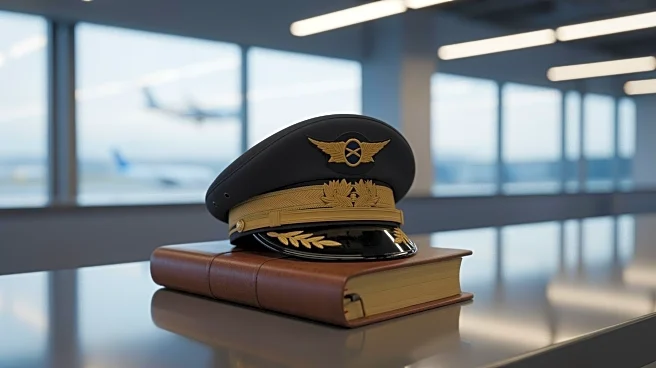
to the United States, where he pleaded not guilty to wire fraud charges in a federal court in Hawaii. The scheme reportedly lasted four years, during which Pokornik used fake employee identification to obtain tickets reserved for pilots and flight attendants on airlines based in Honolulu, Chicago, and Fort Worth, Texas. The indictment did not specify the airlines involved, but it is suggested that Hawaiian Airlines, United Airlines, and American Airlines could be among them. U.S. prosecutors have not confirmed whether Pokornik ever sat in a plane's cockpit, although he allegedly requested to use the 'jump seat' reserved for off-duty pilots.
Why It's Important?
This case highlights significant security vulnerabilities within the airline industry, particularly concerning the verification of employee credentials. The ability of an individual to impersonate a pilot and access restricted areas poses potential safety risks. It underscores the need for airlines to enhance their security protocols to prevent similar incidents. The case also draws attention to the broader issue of identity fraud and its implications for public safety and trust in air travel. Airlines and regulatory bodies may need to reassess their procedures to ensure that such breaches do not occur in the future, potentially leading to increased scrutiny and regulatory changes.
What's Next?
As the legal proceedings continue, airlines and regulatory authorities are likely to review and possibly tighten their security measures to prevent similar incidents. The case may prompt airlines to implement more rigorous verification processes for employee identification and access to restricted areas. Additionally, the outcome of the trial could set a precedent for how similar cases are handled in the future, influencing both legal and industry standards. Stakeholders, including airline companies and security agencies, will be closely monitoring the case to assess its impact on industry practices.