




What's Happening?
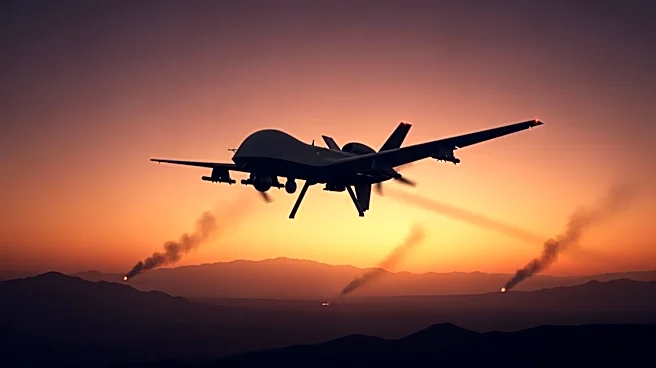
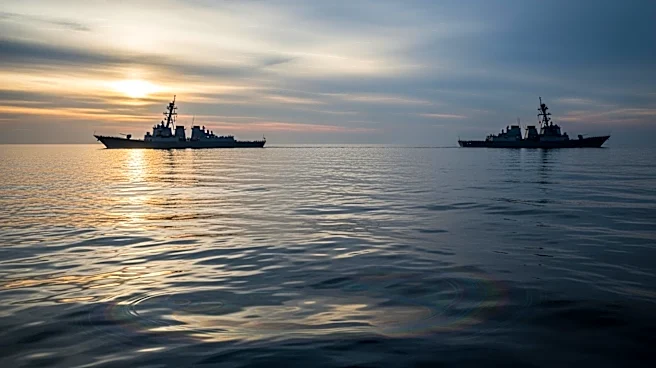
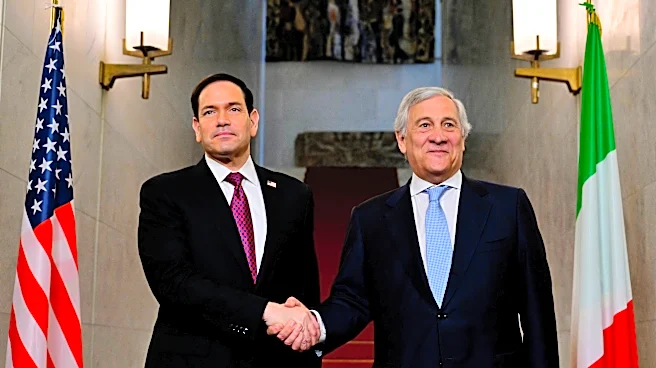
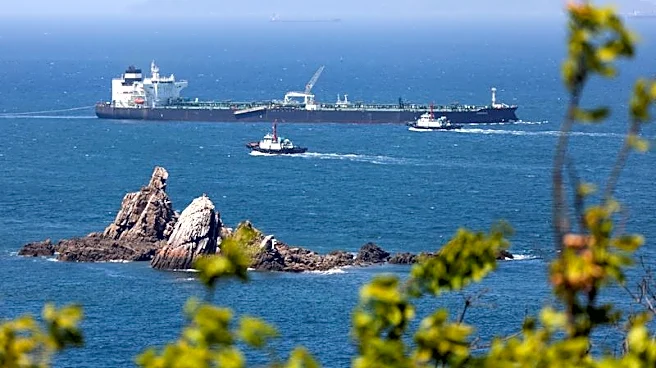
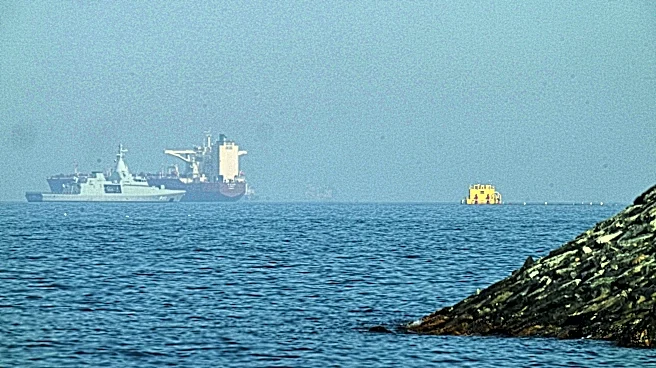
The United States has extended a peace proposal to Iran, but as of now, Iran has not responded. The situation remains tense, particularly in the Strait of Hormuz, where hostilities between the two nations continue. This area is a critical chokepoint for
global oil shipments, and any conflict there can have significant implications for international trade and energy markets. The ongoing exchange of fire between U.S. and Iranian forces underscores the fragile state of relations between the two countries. The lack of response from Iran leaves the situation unresolved, with potential for further escalation.
Why It's Important?
The unresolved tensions between the U.S. and Iran have significant implications for global security and economic stability. The Strait of Hormuz is a vital passage for oil transportation, and any disruption could lead to increased oil prices worldwide, affecting economies dependent on energy imports. Additionally, the continued hostilities could strain U.S. relations with allies in the region and complicate diplomatic efforts to stabilize the Middle East. The situation also highlights the challenges in U.S.-Iran relations, which have been fraught with conflict and mistrust for decades.
What's Next?
If Iran continues to withhold a response, the U.S. may need to consider alternative diplomatic or military strategies to de-escalate tensions. The international community, including the United Nations, may also become more involved in mediating the conflict to prevent further escalation. Additionally, regional allies of both the U.S. and Iran might be prompted to take sides, potentially leading to a broader regional conflict. Monitoring the situation closely will be crucial for stakeholders in the energy sector and international diplomacy.