


What's Happening?
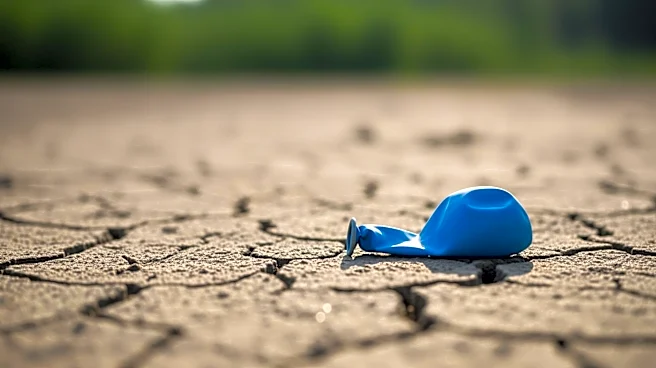
The environmental impact of balloons is under scrutiny as they are increasingly recognized as a significant source of pollution. Balloons, often used in celebrations, are made from materials that do not decompose quickly, posing risks to wildlife and
the environment. Some businesses and environmental advocates are calling for bans on balloon releases, citing their harmful effects. In the UK, nearly 100 local authorities have banned balloon releases, and similar measures are being considered in other countries. The National Association of Balloon Artists and Suppliers advises against balloon releases and promotes recycling initiatives.
Why It's Important?
The growing awareness of the environmental impact of balloons highlights the broader issue of single-use plastics and their contribution to pollution. Balloons can travel long distances and pose threats to wildlife, particularly marine animals. The push for bans and increased regulation reflects a shift towards more sustainable practices and the need for alternatives to traditional celebratory items. This movement is part of a larger global effort to reduce plastic waste and protect ecosystems, emphasizing the importance of environmental responsibility in consumer choices.
What's Next?
As awareness of the environmental impact of balloons increases, more regions may implement bans or restrictions on balloon releases. The balloon industry may need to innovate and develop more sustainable products to meet consumer demand while addressing environmental concerns. Public education campaigns could further inform consumers about the ecological consequences of balloon use and promote alternative celebration methods. The ongoing dialogue around balloons may also influence broader discussions on plastic waste and environmental policy.