





What's Happening?
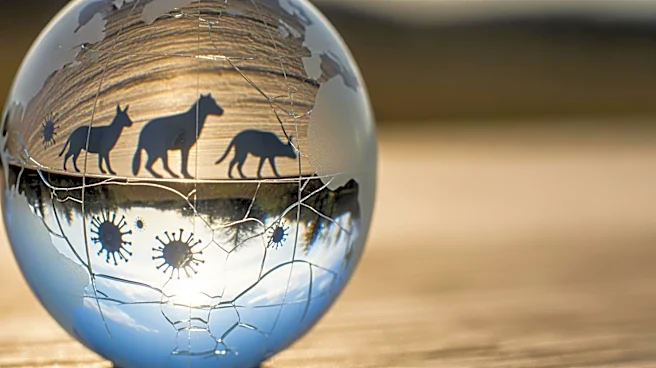
A recent study published in Science has revealed that mammals involved in the wildlife trade are approximately 1.5 times more likely to be sources of human diseases compared to non-traded animals. The research, led by Colin Carlson, a disease ecologist
at Yale University, emphasizes the heightened risk of zoonotic diseases stemming from the wildlife trade, which includes the sale of wild animals for food, pets, and traditional medicine. The study highlights that the longer humans have interacted with a species, the more viruses they share, particularly in illegal markets and live animal settings. This research builds on past incidents, such as the 2003 mpox outbreak in the U.S., which was linked to imported African rodents. The study underscores the need for global awareness and regulation to mitigate the risk of future pandemics.
Why It's Important?
The findings of this study are crucial for public health policy and global disease prevention strategies. The wildlife trade has been identified as a significant vector for zoonotic diseases, which have historically led to major outbreaks, including COVID-19. By understanding the dynamics of pathogen transmission through traded species, policymakers can better regulate and monitor wildlife markets to prevent future health crises. The study also suggests that addressing the demand for exotic animals and improving hygiene in live animal markets could significantly reduce the risk of disease spillover. This research provides a scientific basis for international cooperation in wildlife trade regulation and highlights the importance of proactive measures to protect human health.
What's Next?
The study suggests several potential actions to mitigate the risks associated with the wildlife trade. Governments could enhance surveillance and regulation of wildlife markets, particularly focusing on illegal trade, which poses a higher risk of disease transmission. There is also a call for public health initiatives to educate consumers about the risks associated with purchasing exotic animals. Additionally, international collaboration is needed to develop and enforce policies that reduce the demand for wildlife products. These steps could help prevent future pandemics and protect global health.