




What's Happening?
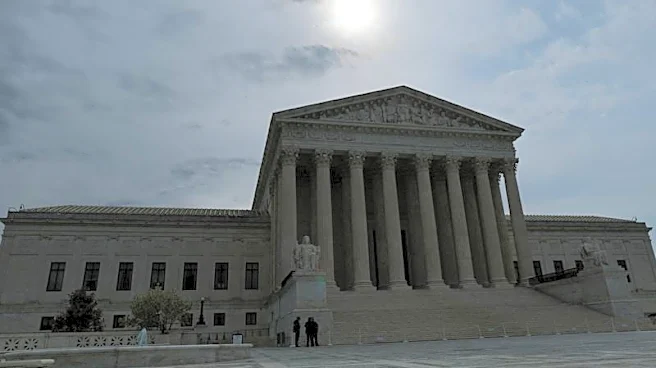
The U.S. Supreme Court is set to hear arguments regarding the Trump administration's efforts to terminate Temporary Protected Status (TPS) for migrants from Haiti and Syria. This case is part of a broader series of immigration-related cases under the administration's policies.
The government is appealing lower court decisions that blocked the Department of Homeland Security from ending TPS for these groups. If the Supreme Court sides with the administration, it could affect up to 1.3 million people from 17 countries, potentially leading to deportations. The Justice Department argues that the Homeland Security secretary has the authority to end TPS without judicial review, while opponents claim the process was not properly followed.
Why It's Important?
The outcome of this case could have significant implications for U.S. immigration policy and the lives of thousands of migrants who have lived in the country for years under TPS. Many of these individuals have established lives and families in the U.S., and losing their protected status could lead to job losses and deportation to unstable regions. The case also raises questions about the extent of executive power in immigration matters and the role of the judiciary in reviewing such decisions. A ruling in favor of the administration could set a precedent for future immigration policies.
What's Next?
The Supreme Court's decision will be closely watched by immigration advocates, policymakers, and affected communities. If the court rules in favor of the administration, it could prompt legislative action or further legal challenges. The decision may also influence public opinion and political discourse on immigration policy in the U.S., particularly regarding humanitarian protections and the treatment of migrants from conflict-affected regions.