
What's Happening?
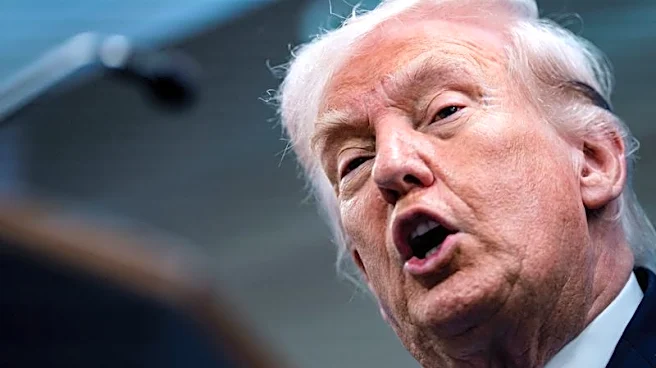
President Donald Trump has expressed dissatisfaction with Iran's latest proposal to end the ongoing two-month-old conflict involving the United States and Israel. Speaking at the White House, Trump highlighted
that while Iran has made some progress in recent negotiations, the internal divisions within Iran's leadership and the terms of the proposal render it unacceptable. Pakistani officials have confirmed that Tehran delivered an updated plan through their mediators, but Trump remains firm in his stance that any agreement must meet his demands. This development comes after months of signaling that a negotiated end to the war was within reach, yet the conflict continues without a clear resolution.
Why It's Important?
The rejection of Iran's proposal by President Trump underscores the complexities and challenges in resolving the conflict that has persisted for two months. This situation has significant implications for U.S. foreign policy and its relations with Middle Eastern countries. The ongoing conflict affects regional stability and has broader geopolitical consequences, potentially impacting global oil markets and international diplomatic relations. Trump's firm stance may influence the expectations of allies and adversaries, shaping future negotiations and diplomatic strategies. The continued conflict also reflects growing public frustration and the need for a resolution that aligns with U.S. interests and security concerns.
What's Next?
As the situation develops, further diplomatic efforts and negotiations are likely to continue, with mediators playing a crucial role in facilitating dialogue between the involved parties. The U.S. administration may seek to leverage international support to pressure Iran into making concessions that align with U.S. demands. Additionally, the response from Iran and its allies will be critical in determining the next steps, as they may adjust their strategies in light of Trump's rejection. The international community will be closely monitoring the situation, with potential implications for regional alliances and future peace efforts.