







What's Happening?
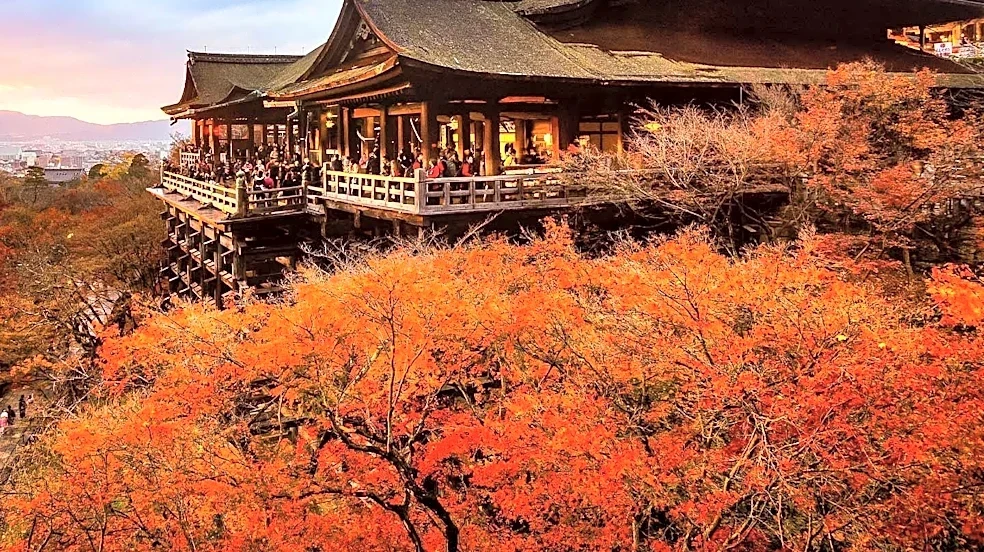
Kyoto, Japan, stands as the nation's former capital and a prominent cultural center. It is renowned for its extensive collection of Zen gardens, Buddhist temples, iconic torii gates, and traditional wooden houses. The city served as the imperial capital for over
a millennium, preserving much of its historical importance. Kyoto is a significant destination for cultural tourism, offering visitors a range of experiences from traditional tea ceremonies to insights into geisha culture. Its rich artistic heritage was notably protected during World War II. The city also gained international recognition as the host of the Kyoto Protocol in 1997. Exclusive private tours of Nijo-jo Castle are available for hotel guests, providing a unique perspective on the Tokugawa era. The Bamboo Forest of Arashiyama is highlighted as a key activity in Kyoto, further emphasizing its natural and cultural attractions.
Why It's Important?
Kyoto's enduring status as a cultural and historical center is vital for Japan's national identity and its global tourism industry. The preservation of its traditional architecture, religious sites, and cultural practices offers a unique window into Japan's past, attracting millions of international visitors annually. This influx of tourism supports local economies, including traditional crafts, hospitality, and cultural performance sectors. The city's role in hosting international agreements like the Kyoto Protocol underscores its capacity to serve as a significant global venue, enhancing its international standing. The continued emphasis on cultural experiences, such as tea ceremonies and geisha culture, ensures the perpetuation of these traditions, contributing to the cultural richness of the nation and providing authentic experiences for tourists. The availability of exclusive tours, like those at Nijo-jo Castle, adds a premium dimension to its tourism offerings, catering to diverse visitor interests.
What's Next?
Kyoto is expected to continue leveraging its rich cultural heritage to attract tourists, with ongoing efforts to maintain and promote its historical sites and traditional arts. The city will likely focus on sustainable tourism practices to manage the influx of visitors while preserving its delicate cultural and natural environments. Events and activities, such as the Bamboo Forest of Arashiyama, will remain key attractions, potentially seeing further development in visitor infrastructure and guided experiences. The city may also explore new ways to integrate modern amenities with its historical charm, ensuring a comfortable and engaging experience for contemporary travelers. Continued promotion of its unique cultural offerings, including exclusive access to historical landmarks, will be crucial in maintaining its appeal as a premier cultural destination in Japan.
Beyond the Headlines
Beyond its immediate tourism appeal, Kyoto's role as a repository of Japanese culture has deeper implications for national identity and global cultural exchange. The city serves as a living museum, where ancient traditions are not merely preserved but actively practiced and evolved. This continuous engagement with its past fosters a strong sense of cultural continuity for the Japanese people. For the international community, Kyoto offers a profound educational experience, challenging modern perceptions and providing insights into a civilization that values harmony, aesthetics, and spiritual depth. The city's resilience in preserving its heritage, even through periods of conflict like World War II, highlights a deep-seated commitment to cultural preservation that can serve as a model for other nations. The blend of historical significance and contemporary life in Kyoto also raises questions about balancing modernization with tradition, a challenge faced by many culturally rich cities worldwide.