




What's Happening?
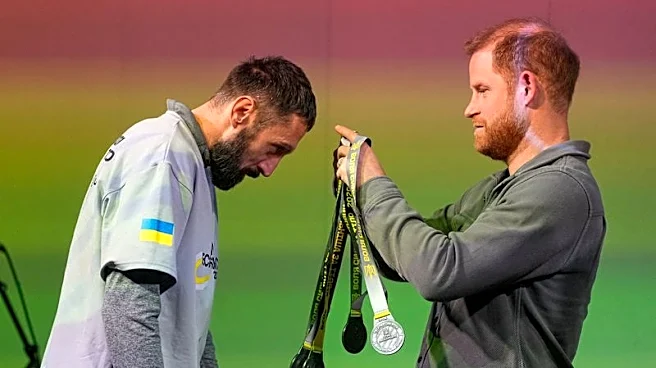
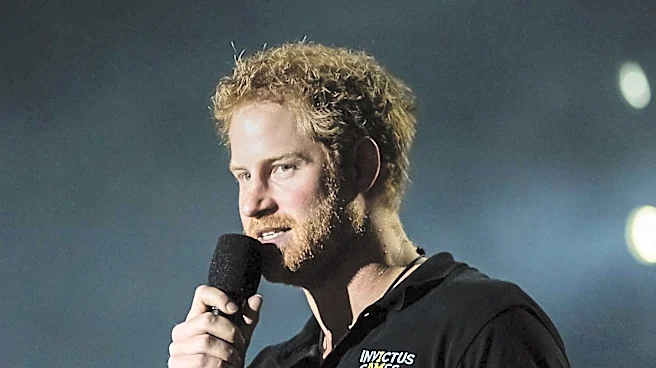
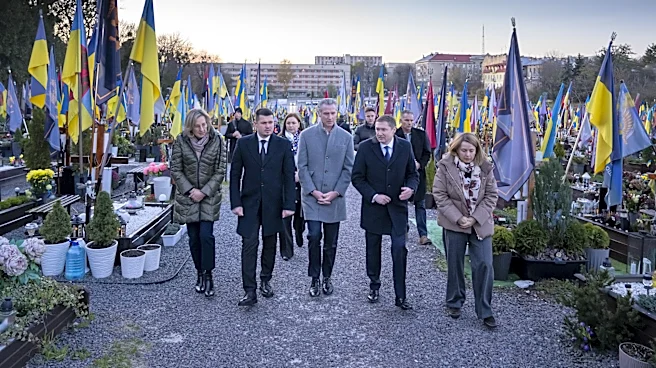
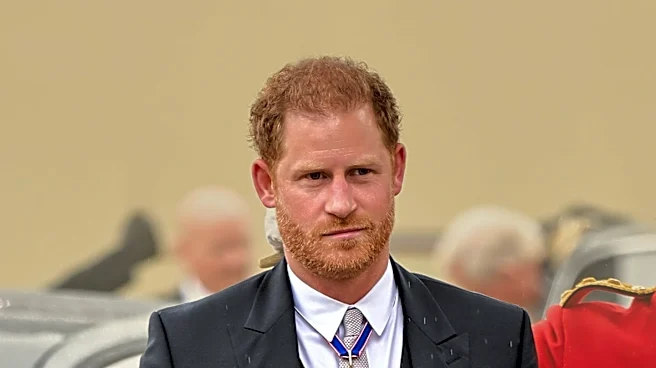
Prince Harry, Duke of Sussex, made an unannounced two-day visit to Lviv, Ukraine, marking his fourth trip to the country since Russia's 2022 invasion. During his visit, he met with wounded veterans and medics, attending Invictus Games trials for the Ukrainian
national team. He participated in wheelchair rugby and pickleball sessions and spoke at a conference for medics organized by Superhumans, a clinic specializing in rehabilitation for war-injured adults and children. Prince Harry expressed his support, telling attendees, "You're going to win the war and then you're going to be set up for success." He also promised that when the war concludes and Ukraine is victorious, the Invictus Games would be ready to support them in hosting an event. The visit was kept confidential for security reasons until his departure, as the region continues to face missile attacks.
Why It's Important?
Prince Harry's continued engagement with Ukraine, particularly through the Invictus Games, highlights the global recognition of the human cost of the ongoing conflict and the importance of rehabilitation for wounded service members. His presence provides a significant morale boost to Ukrainian veterans and medical professionals, offering a message of hope and resilience. The Invictus Games, which he founded, serve as a crucial platform for physical and psychological recovery through sports, demonstrating a commitment to supporting those who have sustained life-changing injuries. This initiative also draws international attention to the long-term needs of veterans, emphasizing that support should extend beyond active service to their post-military lives. The Duke's visits underscore the role of international figures in humanitarian efforts and in advocating for the well-being of those affected by war.
What's Next?
Ukraine is preparing to send its largest-ever team of approximately 60 competitors to the 2027 Invictus Games in Birmingham, a testament to the growing participation and the therapeutic impact of the event. Prince Harry's pledge to support Ukraine in hosting its own Invictus Games after the war suggests a long-term commitment to the country's recovery and rehabilitation efforts. This future prospect could further solidify international partnerships aimed at assisting Ukrainian veterans. The ongoing focus on war trauma conferences, like the one Harry attended, indicates a continued effort to advance medical and rehabilitation practices for combat-related injuries. These initiatives will likely continue to evolve, adapting to the needs of a large veteran population, with over 1.4 million combat veterans in Ukraine, more than 10% of whom have disabilities.
Beyond the Headlines
Prince Harry's repeated visits to Ukraine, despite acknowledging the personal risk, underscore a deeper commitment to the welfare of veterans and the power of sport in recovery. His role as a 'soldier who understands service' rather than a politician lends authenticity to his message, resonating with those directly affected by conflict. The emphasis on rehabilitation and the Invictus Games challenges societal perceptions of disability, promoting a cultural shift towards recognizing the resilience and contributions of injured service members. This engagement also subtly highlights the broader geopolitical landscape, where humanitarian support and international solidarity play a critical role in nations facing prolonged conflict. The Duke's actions serve as a powerful example of how individuals can leverage their platforms to advocate for vulnerable populations and foster global empathy.