




What's Happening?
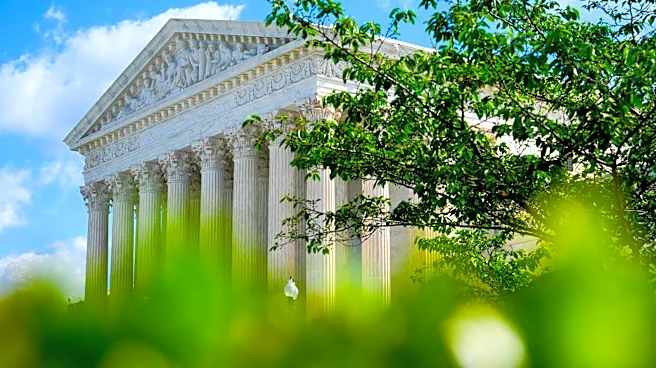
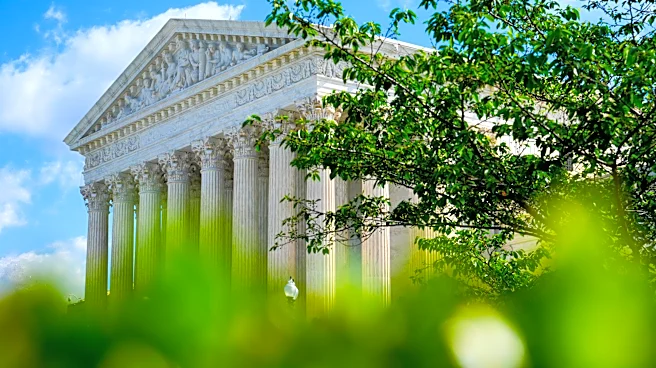
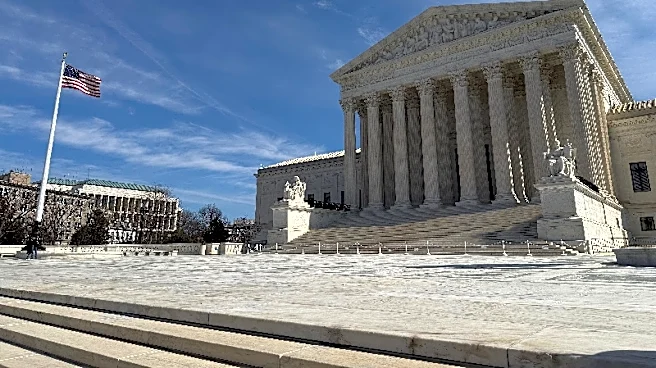
The Supreme Court has unanimously ruled in favor of First Choice Women’s Resource Centers, a New Jersey-based crisis pregnancy center, allowing it to challenge a state subpoena demanding access to its donor information. The lower courts had previously
dismissed the center's lawsuit, siding with New Jersey's argument that the plaintiffs could not sue to quash the subpoena without a court order to enforce it. However, the Supreme Court disagreed, with Justice Neil Gorsuch writing that such demands for private donor information could discourage individuals from associating with groups and expressing dissident views. The subpoena was issued in 2023, following the Supreme Court's decision in Dobbs v. Jackson Women’s Health Organization, which overturned the nationwide right to abortion access. New Jersey claimed the subpoena was part of an investigation into potential donor fraud by the pro-life group, although no specific complaints had been received.
Why It's Important?
This ruling is significant as it underscores the protection of First Amendment rights concerning donor privacy and association. The decision could have broader implications for similar cases where states seek donor information from organizations, potentially affecting how such investigations are conducted. For pro-life groups and other organizations that rely on private donations, this ruling may provide a safeguard against what they perceive as politically motivated investigations. Conversely, it may complicate efforts by states to investigate potential fraud or misrepresentation by such groups. The decision highlights the ongoing legal and political battles surrounding abortion rights and related advocacy in the U.S., particularly in the wake of the Dobbs decision.
What's Next?
The Supreme Court's decision allows First Choice Women’s Resource Centers to proceed with its lawsuit against the state of New Jersey. The New Jersey attorney general's office may continue its investigation into the center, but it will need to navigate the legal challenges posed by this ruling. Other states may also reconsider their approaches to similar investigations, balancing the need for oversight with the protection of constitutional rights. The case could set a precedent for future legal battles over donor privacy and state investigations into nonprofit organizations.