





What's Happening?
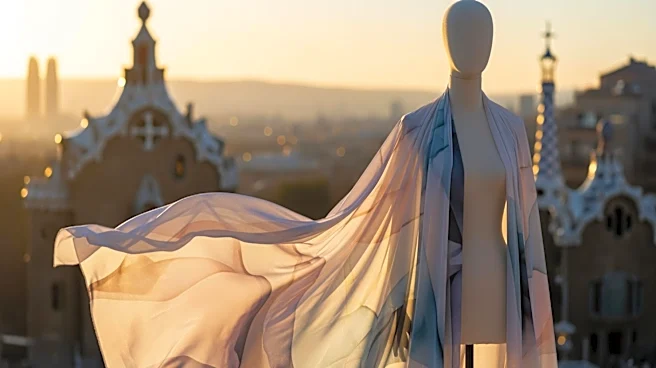
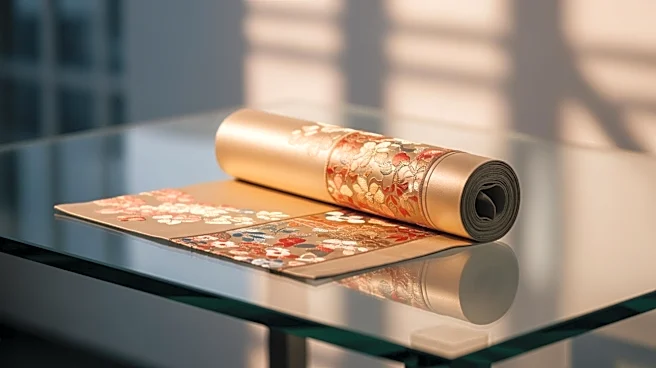
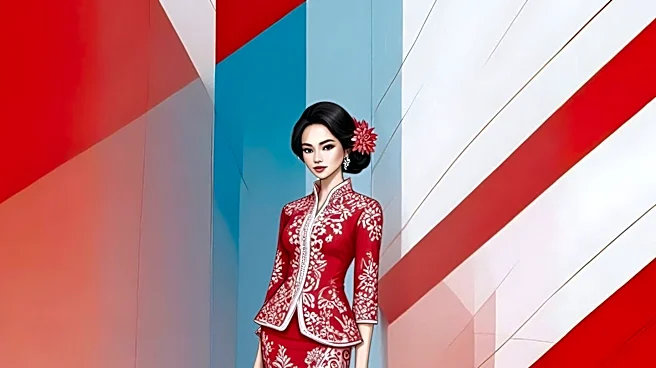
Shanghai Fashion Week has emerged as a significant platform showcasing how traditional cultural elements can be integrated into modern fashion. The event featured a variety of collections that blend historical influences with contemporary design, highlighting
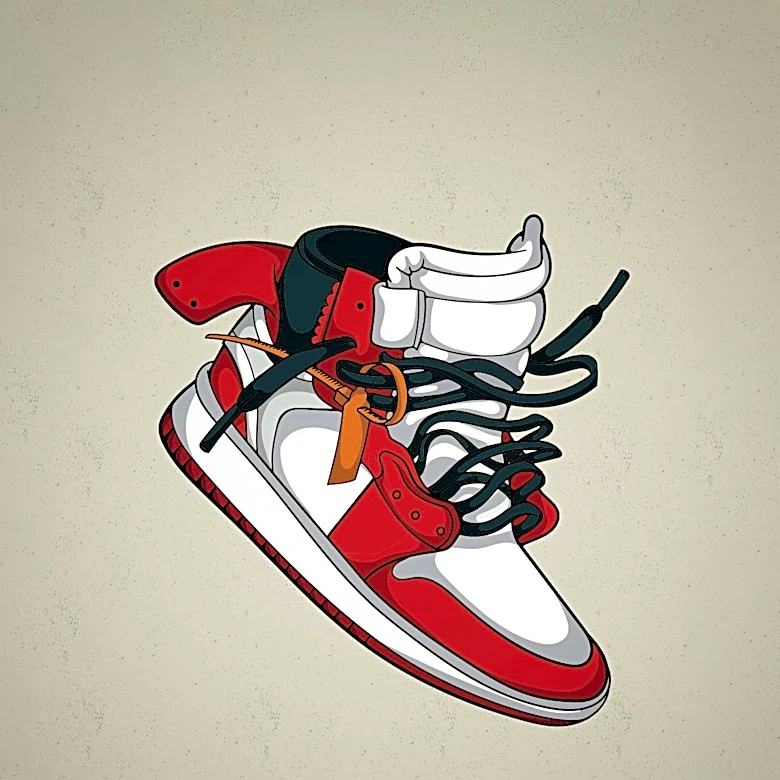
the dynamic interplay between Eastern and Western aesthetics. Notable presentations included those by Samuel Gui Yang and Ao Yes, which incorporated traditional Chinese motifs and materials. The event also served as a testing ground for global brands like Nike and Maison Margiela, which engaged with local cultural symbols to create unique fashion statements.
Why It's Important?
Shanghai Fashion Week's emphasis on cultural heritage in fashion design underscores a growing trend of localization in the global fashion industry. This approach not only appeals to local consumers but also enhances the global appeal of Chinese designers. The event's success in integrating traditional elements with modern fashion could influence other fashion weeks worldwide, encouraging designers to explore and incorporate their cultural roots. This trend also reflects a broader shift towards sustainable and culturally sensitive fashion practices, which could reshape industry standards and consumer expectations.
What's Next?
The continued success of Shanghai Fashion Week is likely to inspire more international brands to engage with local cultures in their design processes. This could lead to increased collaborations between Western brands and Chinese designers, fostering a more inclusive and diverse fashion industry. Additionally, the event's focus on emerging designers suggests a commitment to nurturing new talent, which could result in a new wave of innovative and culturally rich fashion collections in the coming years.