






What's Happening?
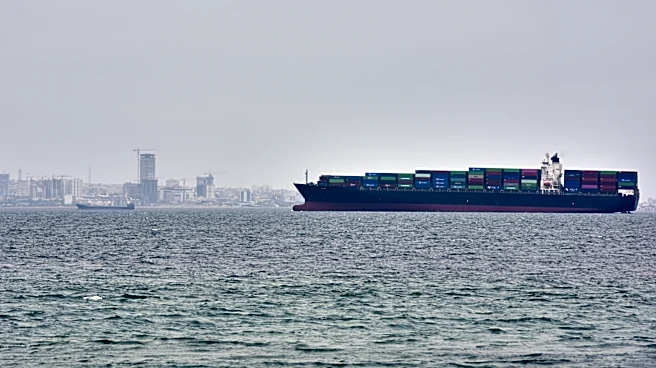
Farmers in the Mississippi Delta, such as Sledge Taylor and Anthony Bland, are facing severe financial strain due to rising fertilizer and fuel costs exacerbated by geopolitical tensions and tariff policies. The closure of the Strait of Hormuz amid the US-Israeli
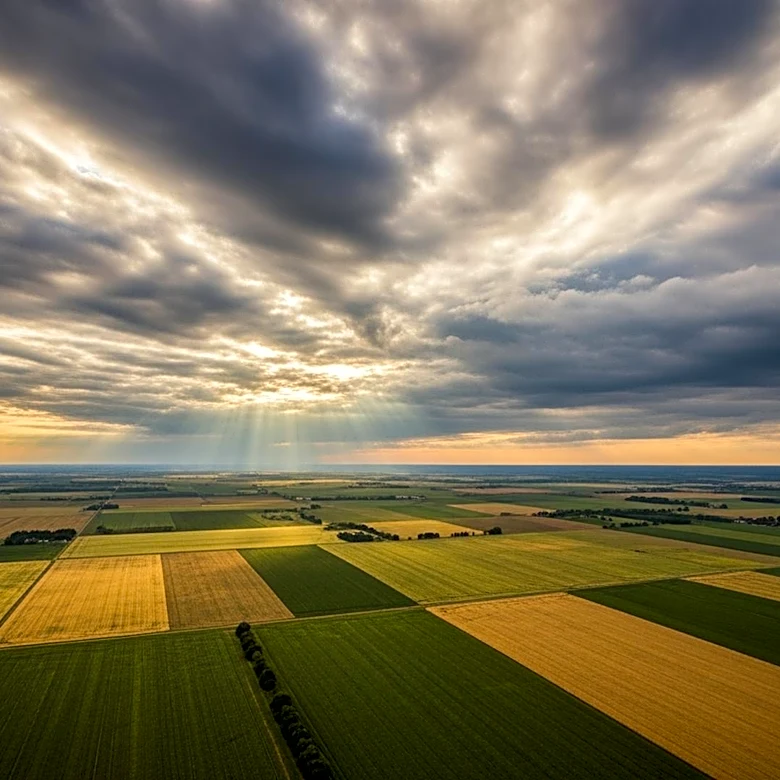
conflict with Iran has significantly increased the cost of nitrogen fertilizer and diesel fuel, both critical for farming operations. Taylor, a lifelong Republican who supported President Trump, has seen his export markets shrink due to retaliatory tariffs, leading to substantial financial losses. Despite receiving some relief from the Farmer Bridge Assistance Program, the aid covers only a fraction of the losses incurred. Bland, who did not support President Trump, faces similar challenges, compounded by historical discrimination against Black farmers and the dismantling of supportive USDA programs. Both farmers are considering the viability of continuing their operations under these pressures.
Why It's Important?
The situation highlights the vulnerability of American farmers to international trade policies and geopolitical conflicts. The rising costs of essential farming inputs like fertilizer and fuel threaten the sustainability of small and medium-sized farms, which are crucial to the U.S. agricultural sector. The tariffs and subsequent retaliatory measures have not only reduced export opportunities but also damaged long-standing trade relationships, potentially leading to permanent market losses. This economic strain could lead to a decline in domestic agricultural production, affecting food supply chains and prices. Additionally, the challenges faced by Black farmers like Bland underscore ongoing issues of racial inequality in agricultural support systems, which could exacerbate disparities in farm viability and success.
What's Next?
Farmers like Taylor and Bland may need to make difficult decisions about the future of their operations. Without significant policy changes or additional financial support, some may be forced to cease farming, lease their land, or shift to less resource-intensive crops. The U.S. government may face increasing pressure to provide more substantial aid or to reconsider tariff policies to alleviate the burden on farmers. The broader agricultural community and policymakers will need to address the systemic issues that leave farmers vulnerable to such economic shocks, potentially leading to discussions on trade policy reform and enhanced support for minority farmers.
Beyond the Headlines
The current crisis could lead to long-term shifts in the agricultural landscape, including consolidation of farms as smaller operations become unsustainable. This could reduce competition and diversity in the agricultural sector, impacting innovation and resilience. The situation also raises ethical questions about the fairness of trade policies that disproportionately affect small farmers and minority communities. As the agricultural sector grapples with these challenges, there may be increased advocacy for more equitable and sustainable farming practices and policies.