




What's Happening?
The Trump administration has announced a policy change exempting data centers from certain pollution limits originally designed to prevent acid rain. This decision means that power plants serving data centers will not be required to reduce emissions of
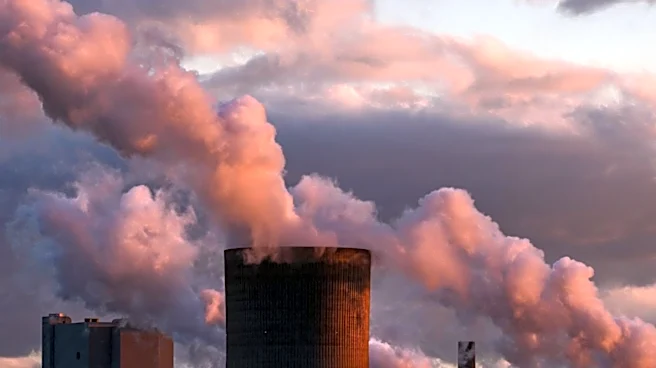
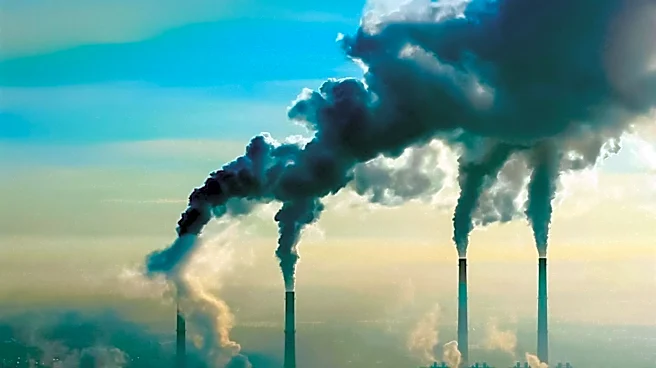
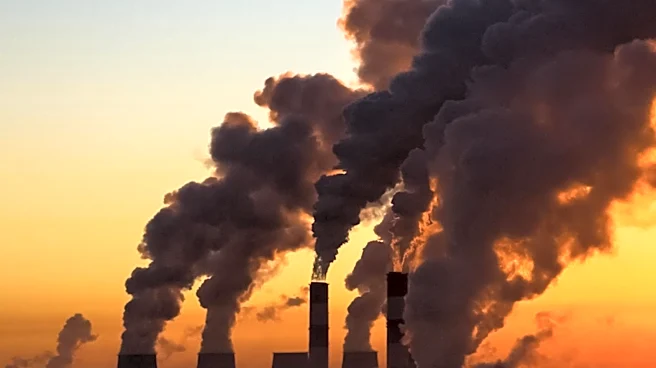
sulfur dioxide and nitrogen oxides, which are known precursors to acid rain. The Environmental Protection Agency (EPA) supports this move, citing the importance of maintaining U.S. dominance in artificial intelligence as a matter of national security and economic prosperity. The EPA's Assistant Administrator for Air and Radiation, Aaron Szabo, stated that this approach aligns with the President's regulatory agenda. Currently, there are nearly 60 such power plants either operational or under construction across the country. This exemption has sparked concerns due to the potential environmental impact, as acid rain can strip nutrients from soil, pollute water bodies, and damage infrastructure.
Why It's Important?
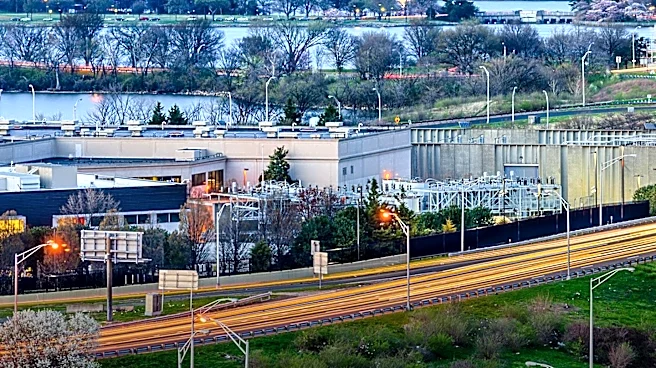
The exemption of data centers from pollution laws could have significant environmental repercussions. Acid rain, which results from the emissions of sulfur dioxide and nitrogen oxides, poses a threat to ecosystems by damaging soil, water bodies, and plant life. Additionally, these emissions can exacerbate respiratory and cardiac issues in humans. The decision reflects a broader trend of prioritizing technological and economic interests over environmental protection. As data centers are projected to account for 20% of the nation's energy usage in the coming years, the potential increase in acid rain could have widespread ecological and health impacts. This policy shift highlights the ongoing debate between economic growth and environmental sustainability, with potential long-term consequences for public health and natural resources.
What's Next?
The decision to exempt data centers from pollution laws may lead to increased scrutiny and criticism from environmental groups and public health advocates. These stakeholders may push for policy revisions or legal challenges to address the environmental and health risks associated with increased emissions. Additionally, as data centers continue to expand, there may be calls for more sustainable energy solutions and stricter regulations to mitigate their environmental impact. The administration's stance could also influence future regulatory approaches to balancing technological advancement with environmental protection.