


What's Happening?
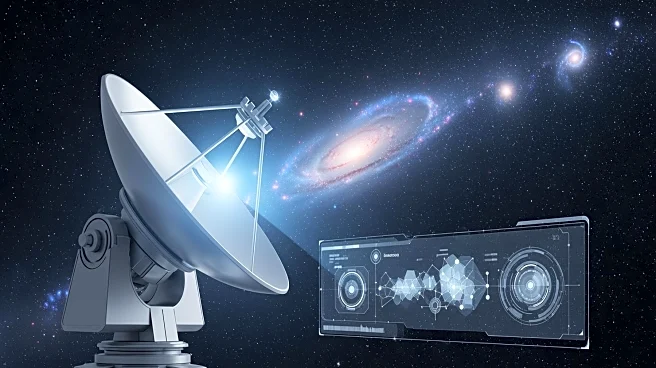
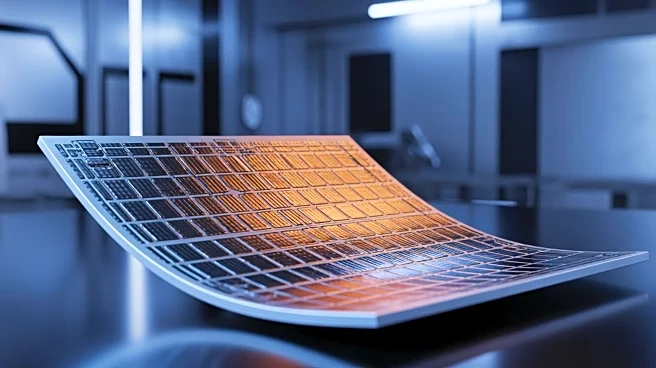
A Boston startup, Diffraqtion, is set to test a new 'quantum camera' aboard an orbital satellite, potentially revolutionizing space-based imaging. Funded by NASA and DARPA, this technology uses quantum physics to capture images without the need for heavy,
dense components typical of traditional satellite cameras. If successful, this could significantly reduce the cost of high-resolution satellite imagery, making it accessible to smaller nations and enhancing missile defense capabilities.
Why It's Important?
The development of quantum cameras could democratize access to high-resolution satellite imagery, which is currently limited to a few major powers due to high costs. This technology could lower the financial barriers for smaller countries to develop their own space-based intelligence capabilities. Additionally, it could enhance missile defense systems by providing more efficient and cost-effective imaging solutions, potentially impacting global security dynamics.
What's Next?
If the upcoming tests are successful, Diffraqtion plans to expand the deployment of quantum cameras in space, with a wide constellation of satellites expected by 2030. This could lead to a significant shift in the satellite imaging industry, with potential applications in various fields, including environmental monitoring, urban planning, and defense. The success of this technology could also spur further research and development in quantum imaging and its applications.