







What's Happening?
A new study by researchers at Stanford University in the United States has found that elderly individuals face a significantly higher risk of illness or death from extreme heat than previously understood. The study incorporated how age affects the body's
tolerance for heat, revealing that human heat tolerance limits are lower than commonly assumed, especially for older adults. As the global population aged 60 and over is projected to more than double from one billion in 2020 to 2.1 billion by 2050, this finding suggests that rising temperatures could be far more lethal than current estimates. The research indicates that the number of people experiencing at least 180 hours annually beyond their age group's tolerable heat limit is already more than double what was previously thought. This threshold signifies exposure to potentially uncompensable heat stress, where the body cannot cool itself quickly enough.
Why It's Important?
This Stanford study is crucial because it redefines the understanding of heatwave risks, particularly for a rapidly growing demographic. Previous assessments often assumed a universal heat tolerance, underestimating the danger to older people. The findings highlight that dangerous heat cannot be defined by a single temperature threshold but depends on individual factors, primarily age. Elderly individuals' bodies lose the natural ability to cool themselves effectively, making them susceptible to heat-related illnesses and deaths at lower temperatures than younger adults. This has significant implications for public health strategies, urban planning, and emergency response systems in the U.S. and globally. The study underscores the need for targeted interventions and infrastructure improvements to protect vulnerable populations, especially as global warming continues to intensify.
What's Next?
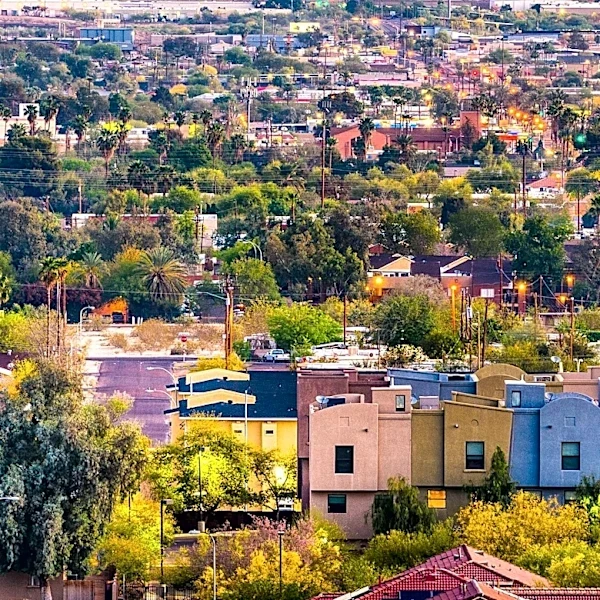
The Stanford researchers emphasize the importance of developing mitigating strategies based on these new insights. Foreseeable next steps include revising urban landscapes to incorporate more green infrastructure, enhancing ventilation in buildings, and establishing accessible cooling centers. Improvements in heat warning and response systems will also be critical, with a focus on clinically vulnerable communities, particularly socially isolated or economically disadvantaged older adults with chronic health conditions. Since most heat-related deaths among older adults occur indoors, recommendations include ensuring broader access to air conditioning or other cooling facilities supported by resilient energy infrastructure. In the long term, the study reinforces that reducing global emissions remains the primary method for controlling global warming and its associated health risks.
Beyond the Headlines
The study's findings delve into the ethical and societal dimensions of climate change, highlighting an often-overlooked vulnerability within the population. The disproportionate impact on the elderly raises questions about equitable access to protective measures and resources in the face of environmental shifts. It also points to a broader challenge in public health: how to adapt infrastructure and social support systems to a changing climate while addressing demographic shifts. The emphasis on indoor deaths among older adults suggests that current public health messaging and interventions may not be adequately reaching or protecting this group. This research could trigger a re-evaluation of building codes, urban design, and community support networks to create more heat-resilient environments for an aging society.