



What's Happening?
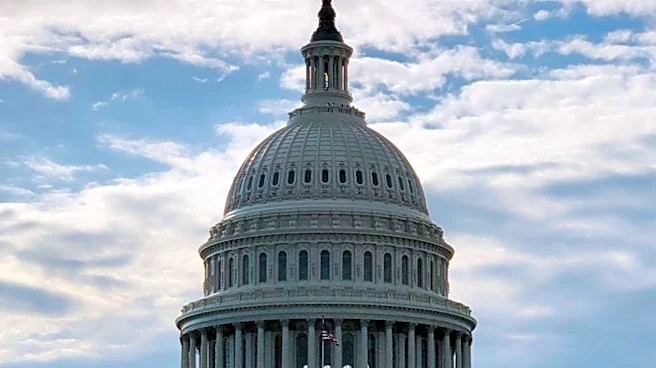
As the September 9, 2026, deadline for Temporary Protected Status (TPS) for El Salvador approaches, Congressman Suhas Subramanyam, alongside Congressman Jamie Raskin, is actively advocating for an extension. Salvadoran families in the United States are
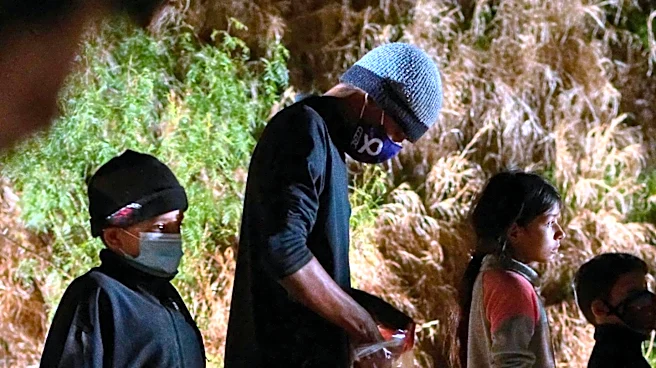
facing significant uncertainty regarding their immigration status, particularly those with U.S.-citizen children. Immigration specialists, including attorney Khyrsi Prosperi Quintana of Benme Legal, are advising these families to review their records and organize documents, cautioning against the assumption that having U.S.-born children automatically protects parents from deportation. The situation has prompted a critical need for legal preparedness and understanding of complex immigration pathways, as the expiration of TPS could lead to loss of work authorization and potential removal proceedings for many individuals who have resided in the U.S. for decades.
Why It's Important?
The advocacy by Congressman Subramanyam for a TPS extension is crucial for thousands of Salvadoran families in the U.S., many of whom have established lives and contributed to the American economy for over two decades. The potential termination of TPS could lead to mass deportations, separating families and creating significant social and economic disruption. This issue highlights the broader challenges within U.S. immigration policy, particularly concerning long-term residents who lack a clear path to permanent residency. The economic impact could be substantial, as TPS holders are often employed in essential sectors, and their removal would result in labor shortages and a loss of tax contributions. Furthermore, the uncertainty surrounding TPS affects the well-being of U.S.-citizen children, who could face the difficult choice of remaining in the U.S. without their parents or relocating to a country they may have never known. The situation underscores the urgent need for comprehensive immigration reform that addresses the realities of long-term temporary residents.
What's Next?
With the September 9, 2026, deadline looming, the immediate focus will be on the outcome of congressional efforts, including those by Congressman Subramanyam, to secure a TPS extension for El Salvador. Families are being advised to consult with immigration attorneys to understand their individual options, organize critical documents, and prepare for various scenarios, including potential changes in work authorization or the initiation of removal proceedings. Legal experts will continue to guide families on pathways such as family petitions, although these often have specific age and status requirements. The Department of Homeland Security (DHS) will need to make a decision regarding the future of TPS for El Salvador, which could either extend the protection, terminate it, or provide a transition period. The situation may also prompt further legal challenges or advocacy campaigns from immigrant rights organizations, aiming to protect affected individuals and families.
Beyond the Headlines
The debate over TPS for Salvadoran families extends beyond immediate immigration status, touching upon fundamental questions of family unity, human rights, and the economic integration of long-term residents. Many TPS holders have deep roots in American communities, owning homes, running businesses, and raising U.S.-citizen children. The potential loss of TPS could force these families into difficult decisions, impacting the social fabric of their communities. This situation also brings to light the complexities of U.S. immigration law, where temporary protections can become de facto long-term solutions due to geopolitical realities in home countries. The ongoing uncertainty highlights the need for a more stable and humane approach to immigration policy that considers the humanitarian aspects and the significant contributions of these individuals to American society, rather than leaving them in perpetual limbo.