





What's Happening?
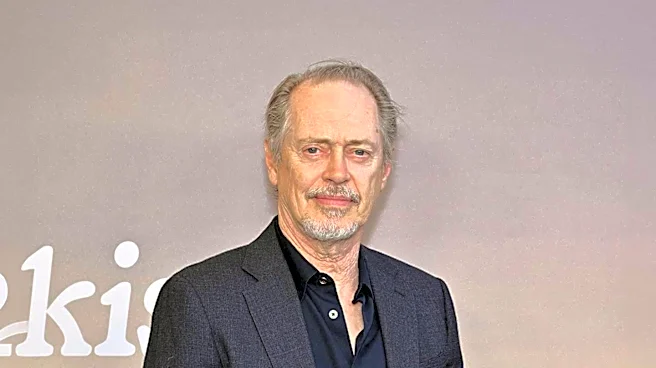
Actor Steve Buscemi, known for his Hollywood career, quietly returned to his former role as a New York City firefighter following the September 11, 2001, terrorist attacks. Buscemi, who served with FDNY Engine 55 in Manhattan from 1980 to 1984, reported
to his old firehouse in Little Italy on September 12, 2001. He then worked 12-hour shifts for several days at Ground Zero, assisting in the search for survivors and the recovery of bodies from the rubble. This act of service was performed without seeking public recognition or media attention, with many people only learning about his involvement years later. His actions demonstrated a deep sense of duty and loyalty to his former colleagues and the city during a critical time.
Why It's Important?
Steve Buscemi's actions highlight the profound impact of the 9/11 attacks on individuals from all walks of life and underscore the spirit of unity and service that emerged in the aftermath. His decision to volunteer, despite his celebrity status, serves as a powerful example of civic responsibility and personal sacrifice. It also sheds light on the often-unseen contributions made by countless individuals during national crises. For the FDNY, his return symbolized a bond that transcends professional careers, reinforcing the brotherhood among firefighters. This event resonates as a testament to the enduring commitment of first responders and the broader community's willingness to support recovery efforts, influencing public perception of heroism and community solidarity.
What's Next?
While Buscemi's direct involvement at Ground Zero concluded years ago, his story continues to inspire discussions about public service and the role of individuals during national tragedies. His portrayal of an experienced firefighter in Judd Apatow’s "The King of Staten Island (2020)" further brought his past service to light, allowing a broader audience to appreciate his authentic connection to the firefighting community. This renewed awareness could encourage more public figures to engage in quiet, impactful service, potentially fostering a culture of genuine contribution rather than performative philanthropy. The narrative also serves as a reminder for future generations about the personal sacrifices made during the 9/11 recovery efforts.
Beyond the Headlines
Buscemi's unpublicized service at Ground Zero offers a deeper insight into the nature of true heroism, distinguishing it from celebrity or public acclaim. His actions challenge the modern inclination towards immediate recognition and highlight the value of selfless contribution. This quiet dedication reflects a profound ethical commitment, suggesting that genuine service is often motivated by an intrinsic sense of duty rather than external rewards. It also underscores the psychological impact of such events, where individuals revert to fundamental roles and skills to contribute to collective healing. The story serves as a cultural touchstone, emphasizing that some of the most significant acts of courage occur away from the spotlight, driven by personal conviction and community ties.