





What's Happening?
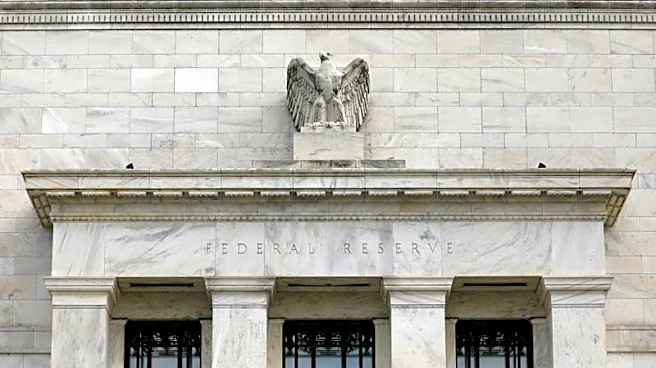
Kevin Warsh, nominated by President Trump to be the next Federal Reserve chairman, is poised to become the wealthiest individual to hold the position in recent decades. Financial disclosures reveal Warsh's net worth exceeds $100 million, with investments
in numerous startups and tech firms, including SpaceX. His wealth is further augmented by his wife, Jane Lauder, an heiress to the Estée Lauder fortune. The Senate Banking Committee is set to hold a hearing on Warsh's nomination, but his confirmation is currently stalled due to a Justice Department investigation into current Fed Chair Jerome Powell. Warsh, a former Morgan Stanley banker and Fed governor, has pledged to divest certain holdings to comply with federal ethics requirements if confirmed.
Why It's Important?
Warsh's potential appointment as Fed chair is significant due to his substantial financial ties to Wall Street and Silicon Valley, which could influence his policy decisions. His wealth and connections may raise concerns about conflicts of interest, particularly as the Fed navigates complex economic challenges. Warsh's background as a liaison between the Fed and Wall Street during the 2008 financial crisis suggests he may prioritize financial market stability. However, his confirmation process is complicated by the ongoing investigation into Powell, which could delay his appointment and impact the Fed's leadership transition. Warsh's nomination reflects President Trump's preference for candidates with strong financial backgrounds, aligning with his administration's broader economic policies.
What's Next?
The Senate Banking Committee's upcoming hearing will be crucial in determining Warsh's confirmation prospects. The resolution of the investigation into Powell is a key factor, as it currently impedes the advancement of Fed nominees. If confirmed, Warsh will need to navigate potential ethical concerns related to his financial holdings and ensure compliance with federal regulations. His leadership could influence the Fed's approach to monetary policy, particularly in areas such as interest rates and financial regulation. The outcome of Warsh's nomination will also signal the administration's priorities for the Fed, potentially affecting its independence and policy direction.