


What's Happening?
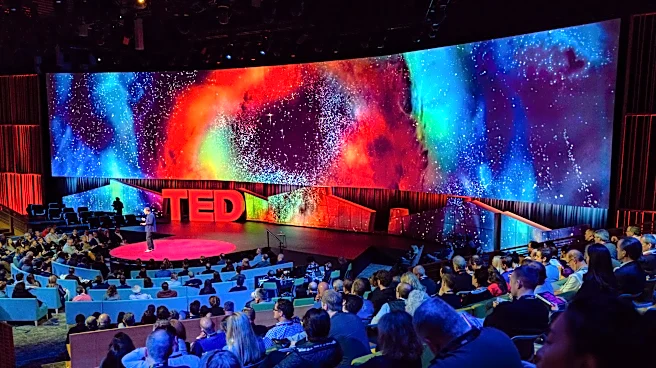
On May 14, 2026, the TED World Theater in New York City hosted Play@TED, an event attended by over 100 policymakers, educators, creators, and leaders. The central question explored was whether play serves as an engine for learning and work, rather than
merely a break from them. This initiative began in November 2024 when the LEGO Foundation invited TED to apply for a grant to support the UN-adopted International Day of Play. The goal was to foster a global dialogue on the significance of play in driving innovation, nurturing children's development, and inspiring creativity across all age groups. Leading up to the event, TED-Ed, in collaboration with the LEGO Group and the LEGO Foundation, organized a Connect Week. This virtual gathering brought together more than 300 students aged 8 to 18 from 27 countries to discuss how playful experiences contribute to real-world skills such as confidence, creativity, collaboration, and problem-solving. Additionally, TED-Ed released five animated shorts, including 'Why Do Babies Love Peek-a-Boo?' and 'A Brief History of Toys,' to illustrate the history and impact of play.
Why It's Important?
The Play@TED event highlights a significant shift in perspective regarding the role of play, moving it from a recreational activity to a fundamental driver of innovation and skill development. For U.S. education and workforce development, this re-evaluation could lead to new pedagogical approaches that integrate playful learning into curricula, potentially enhancing creativity and problem-solving abilities among students. Businesses might also benefit by recognizing the value of play in fostering innovation and employee engagement, leading to more dynamic and productive work environments. The involvement of the LEGO Foundation and TED-Ed underscores a growing recognition among influential organizations of play's critical role in human development and societal progress. This could influence public policy discussions around education funding and corporate training programs, emphasizing experiential and play-based learning models. Ultimately, a broader acceptance of play as an 'engine' for learning and work could reshape how individuals are educated, trained, and encouraged to innovate throughout their lives.
What's Next?
Following the Play@TED event, TEDx organizers globally are slated to host play-themed events throughout the year. These local events will combine Play@TED talks with local speakers and activities, aiming to engage communities in exploring the power of play. This decentralized approach is designed to disseminate the ideas and insights generated at the New York City event to a wider audience, fostering a global conversation. The continued collaboration between TED, TED-Ed, the LEGO Group, and the LEGO Foundation suggests ongoing efforts to promote the importance of play in various contexts. These future events and initiatives are expected to further integrate the concept of playful learning into educational practices and potentially influence corporate strategies for innovation and employee development. The long-term goal is to embed the understanding that play is not merely a leisure activity but a crucial component for building essential skills and driving progress.
Beyond the Headlines
The Play@TED initiative delves into the deeper cultural and psychological implications of play, challenging the conventional view that separates work and learning from playful activities. By asserting that play is an 'engine' rather than a 'break,' the event encourages a re-evaluation of societal values placed on productivity versus intrinsic motivation and creative exploration. This shift could have profound effects on mental well-being, as it advocates for environments that reduce stress and foster genuine engagement through playful approaches. Ethically, it raises questions about the pressure on children and adults to constantly be 'productive,' suggesting that a more balanced integration of play could lead to more holistic development and greater fulfillment. Legally, this could eventually influence policies related to education standards, workplace regulations, and even urban planning, promoting spaces and systems that encourage playful interaction and learning. Culturally, it seeks to normalize and celebrate play as a sophisticated tool for growth, innovation, and human connection, moving beyond its perception as a childish or frivolous pursuit.