



What's Happening?
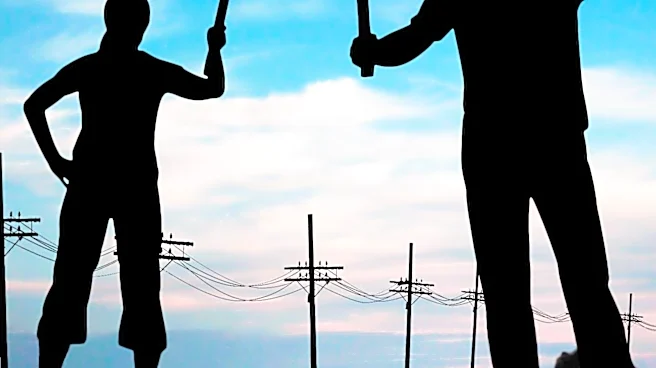
Customers of Wisconsin Public Service (WPS) are actively opposing a proposed 15% rate increase. During a public hearing in Green Bay, residents voiced their concerns to regulators, highlighting the potential financial strain higher energy costs would
impose. WPS has requested the Public Service Commission (PSC) to approve this 15% increase for residential customers, to be implemented over the next two years. Many customers are already struggling with existing energy expenses, making the prospect of further increases a significant worry. Republican gubernatorial candidate Tom Tiffany addressed the proposed rate hikes by WPS and We Energies during a stop in Weston, suggesting solutions such as embracing new nuclear power plants and lowering the guaranteed profit rate for utilities. The PSC, a three-person body, is responsible for approving rate increases that cover utilities' reasonable costs, with the current profit margin set at 9.8%.
Why It's Important?
This proposed rate hike is significant for Wisconsin residents as it directly impacts household budgets and the cost of living. A 15% increase in utility rates could place considerable financial pressure on families, particularly those already struggling with rising expenses. The debate also highlights the broader issue of utility regulation and the balance between ensuring reasonable profits for utility companies and protecting consumers from excessive costs. The involvement of political figures like gubernatorial candidate Tom Tiffany underscores the political sensitivity of utility rates, especially in an election cycle. His proposals, such as exploring nuclear power and adjusting profit margins, indicate potential shifts in energy policy and regulatory oversight if he were to be elected. The public outcry and political engagement demonstrate the widespread impact of utility decisions on the daily lives and economic well-being of Wisconsin citizens.
What's Next?
The Public Service Commission (PSC) will continue to review the proposed 15% rate increase by Wisconsin Public Service (WPS). Public hearings, like the one held in Green Bay, allow customers to present their concerns directly to regulators, which will likely influence the PSC's decision-making process. Republican gubernatorial candidate Tom Tiffany has indicated he would work with the state legislature to address utility costs, suggesting that if elected, he might pursue legislative changes to the guaranteed profit rate for utilities or promote alternative energy sources like nuclear power. The Democratic candidate for governor, David Crowley, has also commented on the broader economic challenges facing Wisconsin families, implying that utility costs could become a key issue in the upcoming gubernatorial election. The PSC's final decision on the rate hike will determine the immediate financial impact on WPS customers, while the ongoing political discourse could shape long-term energy policy in Wisconsin.
Beyond the Headlines
The pushback against the proposed rate hike by Wisconsin Public Service (WPS) reveals deeper societal and economic tensions within the state. Beyond the immediate financial burden on households, the debate touches upon the ethical responsibilities of utility companies and regulatory bodies to balance corporate profitability with public welfare. The discussion around guaranteed profit rates for utilities, currently at 9.8%, raises questions about the fairness and transparency of these financial structures. Furthermore, the political discourse surrounding energy policy, including the potential for new nuclear power plants and the use of farmland for renewable energy projects, highlights the complex interplay between economic development, environmental concerns, and community interests. The protests against political figures like Tom Tiffany, accusing them of contributing to the struggles faced by residents, underscore a growing public demand for accountability from elected officials regarding economic policies that directly affect their constituents.