

What's Happening?
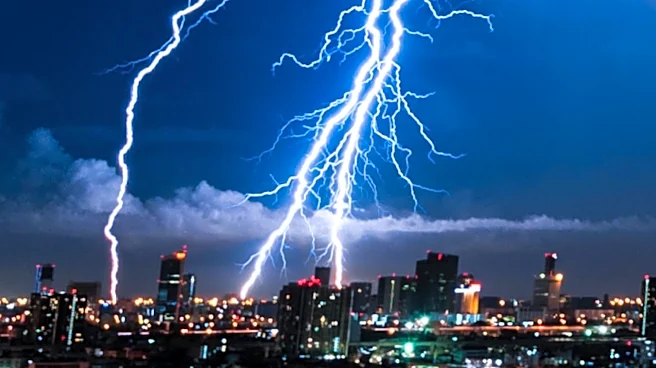
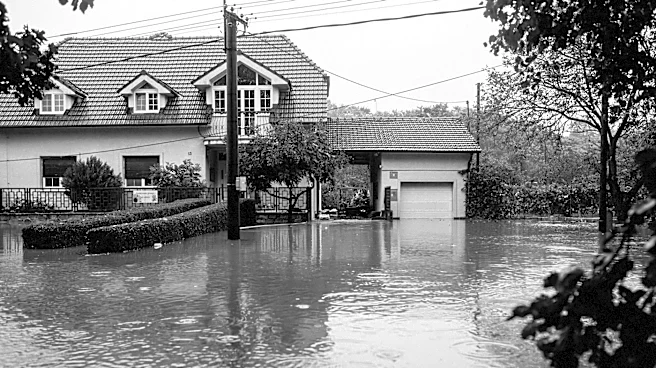
Residents of Gary, Indiana, are receiving essential supplies and food following severe storms that left some without power for over two weeks. The Chicago-based organization Black Men United, in collaboration with the First Baptist Church of Gary, hosted
an event to distribute aid. Pastor Nicole Guns noted that this initiative is turning a tragic situation into a positive outcome for the city. People began lining up hours before the event, demonstrating the significant need within the community. The United Cajun Navy, a volunteer organization formed after Hurricane Katrina, also traveled from Baton Rouge to provide assistance. Additionally, leaders from various NAACP chapters, including Steve Lanier, President of the Fort Wayne chapter, volunteered their time, highlighting a spirit of unity and mutual support among those affected and those providing help. Kalala Jackson of Black Men United emphasized their commitment to supporting residents who have been without basic necessities like electricity.
Why It's Important?
This event underscores the critical role of community organizations and inter-state volunteer efforts in disaster relief, particularly in areas experiencing prolonged infrastructure failures. The involvement of groups like Black Men United and the United Cajun Navy highlights a proactive approach to addressing immediate humanitarian needs when local resources may be overwhelmed. The sentiment expressed by Terry Young of Black Men United, stating, 'We’re not going to allow another Katrina to happen on our watch,' reflects a heightened awareness and commitment to preventing a repeat of past disaster response shortcomings. The participation of NAACP chapter leaders further emphasizes the broad community impact and the importance of collaborative action in supporting vulnerable populations. The provision of basic necessities like food and diapers directly addresses the immediate suffering of residents, preventing further deterioration of living conditions and promoting community resilience in the face of adversity.
What's Next?
While immediate relief has been provided, the long-term recovery for Gary residents who experienced extended power outages will likely involve continued support for rebuilding and restoring normalcy. The ongoing efforts of organizations like Black Men United and the United Cajun Navy may extend beyond initial aid distribution to include assistance with recovery and resilience-building initiatives. Local authorities and utility companies will likely face scrutiny regarding the duration of the power outages and may need to implement measures to prevent similar prolonged disruptions in the future. Community leaders and volunteer groups will likely continue to monitor the situation and assess further needs, potentially organizing additional aid events or advocating for more robust infrastructure improvements and emergency response plans. The collaborative spirit observed during this event could foster stronger community partnerships for future disaster preparedness.
Beyond the Headlines
The prolonged power outages in Gary expose deeper issues related to infrastructure resilience and equitable resource distribution in urban areas. The comparison to Hurricane Katrina by Black Men United highlights a concern that marginalized communities often bear the brunt of natural disasters and may receive delayed or insufficient aid. This event brings to light the socio-economic vulnerabilities that can be exacerbated by environmental challenges, prompting questions about long-term investment in infrastructure and emergency preparedness in communities like Gary. The unity observed among volunteers, including those who themselves suffered from the storms, speaks to the powerful human capacity for empathy and collective action in times of crisis. This situation could serve as a catalyst for broader discussions on urban planning, climate change adaptation, and the role of non-governmental organizations in filling gaps in governmental disaster response.