







What's Happening?
The Church of Jesus Christ of Latter-day Saints has transformed the competitive landscape among humanitarian organizations into a collaborative effort to aid women and children in high-need countries. In 2024, the Church expanded its Caring for Women
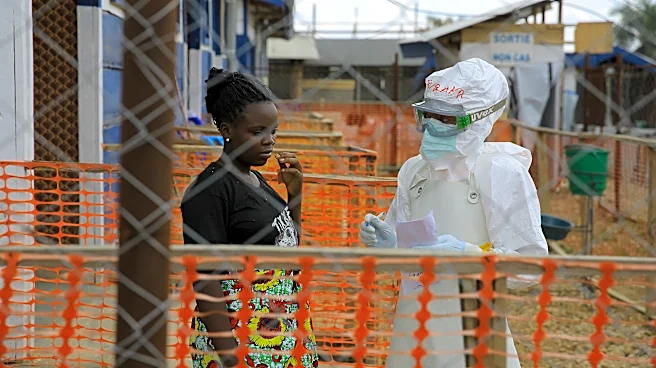
and Children Initiative, grouping eight global humanitarian organizations into four consortia. Each consortium focuses on specific projects across 12 countries, including Nepal, Bangladesh, Cambodia, Philippines, Sierra Leone, DR Congo, Nigeria, Ghana, Zambia, Kenya, Senegal, and Mali. These projects address critical needs such as access to vitamins, supplements, medications, higher-nutrition foods, maternal and newborn care, water projects, sanitation, hygiene, immunizations, and agricultural and nutritional practices. The initiative also aims to upgrade medical clinics and provide economic opportunities for women. Elissa Gifford, director of Humanitarian Services for the Church, noted the challenge of encouraging organizations accustomed to independent work to engage in such tight collaboration, emphasizing the importance of this new approach. Relief Society General President Camille N. Johnson highlighted that local governments are also involved, contributing to the success of these collaborative efforts.
Why It's Important?
This initiative is significant because it addresses a long-standing challenge in the humanitarian sector: the competition for resources, government support, and volunteers among aid organizations. By fostering collaboration, the Church of Jesus Christ of Latter-day Saints is creating a more efficient and impactful model for delivering aid. This shift from competition to cooperation can lead to better coordination of efforts, reduced duplication of services, and ultimately, more effective assistance for vulnerable populations. The focus on women and children is particularly crucial, as they are often the most susceptible to crises and yet are also powerful catalysts for change within their communities. The involvement of local governments further strengthens the sustainability and relevance of these programs, ensuring they align with national needs and priorities. This collaborative model could serve as a blueprint for other large-scale humanitarian efforts, demonstrating how diverse organizations can unite to achieve common goals and maximize their collective impact.
What's Next?
The Church has invested $184 million over three years in this initiative, reaching 52 million women and children. The ongoing success of these consortia will likely lead to continued investment and potential expansion into more countries or additional areas of need. The collaborative framework established could also inspire other philanthropic and governmental bodies to adopt similar models, promoting greater synergy in global aid efforts. Stakeholders, including the participating NGOs, local governments, and the Church, will continue to monitor the impact of these programs, using data and feedback to refine strategies and ensure long-term effectiveness. The emphasis on local government involvement suggests a future trend towards more integrated and nationally-owned development initiatives, moving beyond traditional aid delivery to capacity building and sustainable solutions. The initiative's focus on empowering women and children also indicates a sustained commitment to addressing root causes of vulnerability and fostering self-reliance within communities.
Beyond the Headlines
Beyond the immediate impact of providing essential services, this initiative highlights a deeper philosophical shift in humanitarian aid: the recognition that collective action can overcome systemic inefficiencies. The quote from Helen Keller, "Alone we can do so little, and together we can do so much," encapsulates the ethos of this collaboration. It underscores the ethical imperative to prioritize shared goals over individual organizational interests, especially when addressing profound human suffering. This model also implicitly challenges the traditional power dynamics in aid, where larger organizations might dominate. By creating consortia, it encourages a more equitable distribution of responsibilities and resources, leveraging diverse expertise. The long-term implications could include a re-evaluation of funding mechanisms in the humanitarian sector, potentially favoring collaborative proposals over individual ones, and a greater emphasis on integrated, multi-sectoral approaches to development challenges. This could lead to a more resilient and responsive global humanitarian system.