




What's Happening?
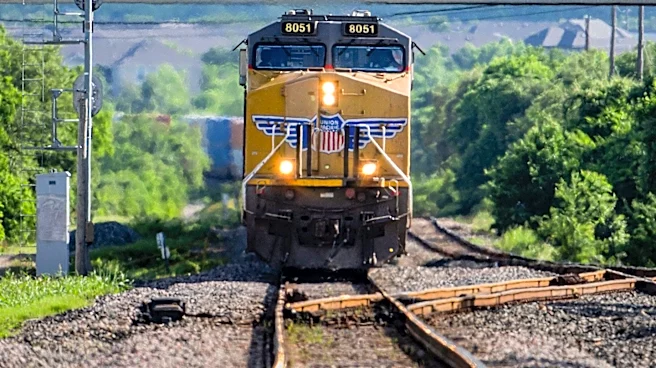
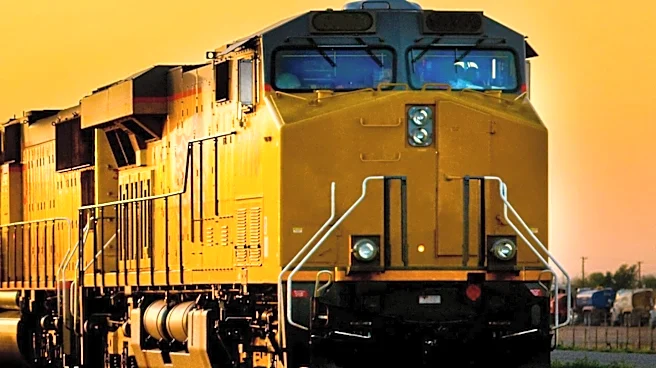
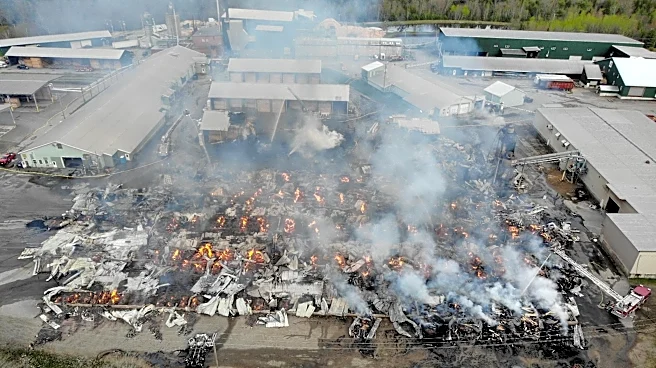
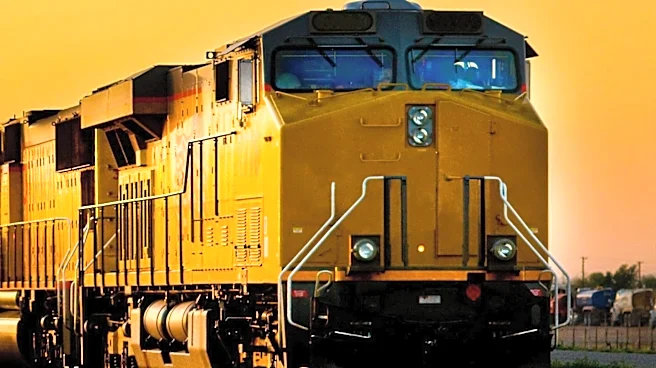
The city of Portland has issued a demand to Union Pacific Railroad to immediately cease the movement of rail cars containing residual toxic chemicals through the collapse zone surrounding the fire-damaged Centennial Mills building. This demand was articulated
in a letter from City Administrator Raymond C. Lee III. Despite previous assurances from Union Pacific that no toxic or poison inhalation hazard materials would be transported through the area, the city discovered that 13 rail cars containing residual chlorine were moved through the Naito Parkway corridor on August 11. The city confirmed the presence of these materials through the railroad's official car listing. The structural integrity of the Centennial Mills building is compromised, with ongoing deterioration posing a risk of collapse, which could be triggered by vibrations from passing trains.
Why It's Important?
This situation underscores significant public safety concerns for Portland residents and workers near the Centennial Mills site. The presence of residual toxic chemicals in rail cars poses a potential hazard, as even small amounts of chlorine can create a dangerous plume if released. The city's demand for Union Pacific to halt such transport highlights the tension between maintaining rail operations and ensuring public safety. The incident also raises questions about the effectiveness of communication and compliance between local authorities and large corporations in managing environmental and safety risks.
What's Next?
Portland is seeking written confirmation from Union Pacific that it will comply with the demand to stop transporting toxic materials through the collapse zone. The city is also working on a demolition plan for the Centennial Mills building, with demolition expected to begin soon. Union Pacific has stated that it has implemented safety measures, including speed limits and on-site hazmat response personnel, but the city is pushing for more stringent actions. The outcome of this dispute could influence future regulatory measures and operational protocols for rail transport in urban areas.