



What's Happening?
The World Health Organization (WHO), alongside the United Nations World Food Programme (WFP), the Food and Agriculture Organization of the United Nations (FAO), and UNICEF, has issued an urgent call for action regarding the escalating hunger crisis in the Democratic
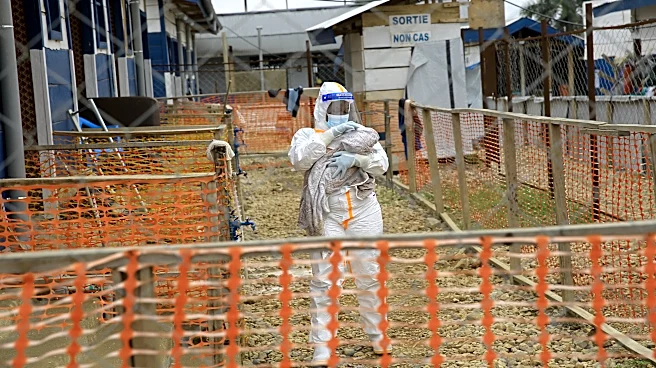
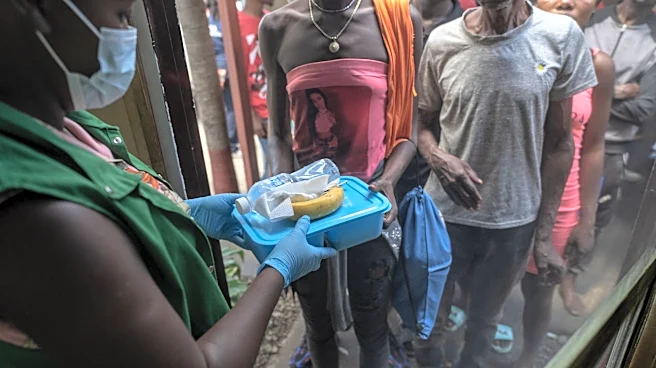
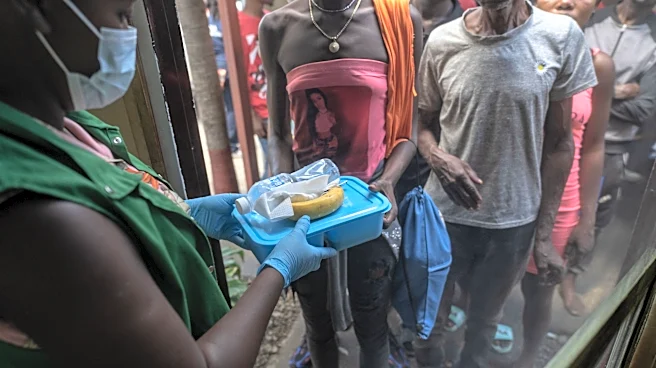
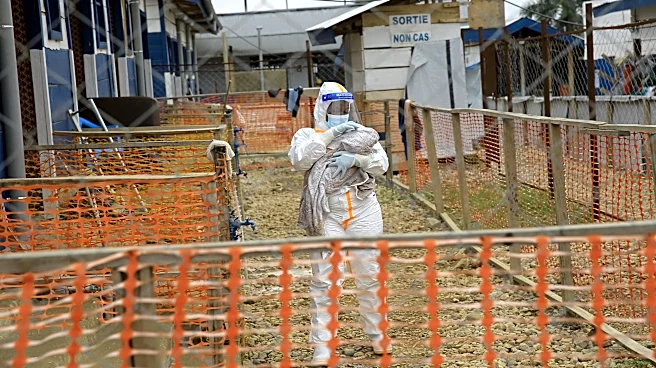
Republic of Congo (DRC). A record 30.3 million people are projected to face Crisis levels of acute food insecurity or worse between January and June 2027. This includes an anticipated rise to 4.2 million people facing Emergency levels of hunger by early 2027. The crisis is driven by ongoing conflict, displacement, and rising food prices, further compounded by outbreaks of diseases such as Ebola, mpox, and cholera. These health emergencies disrupt farming, restrict movement, and strain already fragile health systems, making families more vulnerable to disease and death due to lack of nutritious food, safe water, and essential health services. Eastern DRC is particularly affected, with over 11 million people in North Kivu, South Kivu, and Ituri projected to face severe food insecurity.
Why It's Important?
This deepening crisis in the DRC highlights the severe humanitarian consequences of prolonged conflict and concurrent health emergencies. The projected increase in acute food insecurity to over 30 million people underscores a catastrophic failure to meet basic human needs, leading to widespread suffering and increased mortality. The interplay between hunger and disease creates a vicious cycle: malnutrition weakens immune systems, making populations more susceptible to infectious diseases, while disease outbreaks disrupt food production and access, exacerbating hunger. This situation also places immense pressure on international humanitarian aid organizations, demanding significant financial and logistical resources. The instability and humanitarian catastrophe in the DRC could have broader regional implications, potentially leading to further displacement and cross-border health challenges, impacting global health security and humanitarian efforts.
What's Next?
The WHO and its partner organizations are urging for immediate, coordinated financing and diplomatic action. Key next steps include scaling up food assistance, protecting and restoring agricultural livelihoods, and preventing and treating acute malnutrition. There is also a critical need to sustain essential health, nutrition, safe water, and sanitation services. Furthermore, securing safe and unimpeded humanitarian access is paramount to reach the most affected communities. Donors are called upon to provide timely and sustained funding, especially ahead of critical planting seasons, to prevent further deepening of hunger and malnutrition. All parties involved in the conflict are urged to protect civilians, vital services, and infrastructure to facilitate humanitarian efforts.
Beyond the Headlines
The crisis in the DRC extends beyond immediate food and health concerns, revealing deeper systemic issues of governance, conflict resolution, and sustainable development. The repeated displacement of families and the destruction of livelihoods perpetuate a cycle of poverty and dependence on aid, hindering long-term recovery and stability. The impact on children, who are particularly vulnerable to acute malnutrition and lack of basic services, raises significant ethical concerns about the protection of innocent lives in conflict zones. This situation also underscores the global interconnectedness of health and food security, demonstrating how local conflicts and disease outbreaks can have far-reaching humanitarian consequences, demanding a more robust and coordinated international response to address root causes and build resilience.