
What's Happening?
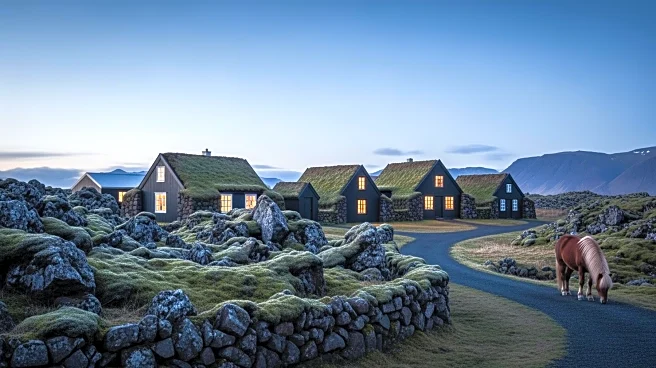
In the village of Vík í Mýrdal, located in Mýrdalshreppur, South Iceland, foreign residents now constitute 67% of the population, a significant increase compared to the national average of 20%. This demographic
shift is largely attributed to the steady influx of tourists and the resulting growth in permanent jobs within the tourism sector. Mayor Einar Freyr Elínarson highlights that tourism has transformed the local economy, allowing businesses to offer year-round employment, which has encouraged foreign workers to settle in the area long-term. The local community is adapting to these changes, with schools focusing on enhancing Icelandic language education for young children. The nearby Reynisfjara beach, a major tourist attraction, continues to draw hundreds of thousands of visitors annually, further influencing the local economy and lifestyle.
Why It's Important?
The demographic shift in Vík í Mýrdal underscores the profound impact of tourism on local communities, particularly in regions heavily reliant on this industry. The increase in foreign residents can lead to cultural diversification and economic growth, as new residents contribute to the local economy and community life. However, it also presents challenges, such as the need for enhanced language education and integration efforts. The situation in Vík í Mýrdal reflects broader trends in global tourism, where popular destinations experience significant demographic and economic changes due to sustained visitor numbers. This development highlights the importance of sustainable tourism practices and the need for local governments to manage growth effectively to ensure long-term benefits for both residents and newcomers.
What's Next?
As the tourism industry continues to thrive, local authorities in Vík í Mýrdal may need to implement strategies to balance the benefits of economic growth with the challenges of increased population diversity. This could involve investing in infrastructure, education, and community services to support both local and foreign residents. Additionally, there may be a need for policies that promote sustainable tourism practices to preserve the natural environment and cultural heritage of the area. The ongoing adaptation of local schools to accommodate a more diverse student body is a step in this direction, but further efforts may be required to ensure the community remains cohesive and resilient in the face of change.