




What's Happening?
Curaçao is gearing up for its annual World Clean Up Day, scheduled for the weekend of September 18-19, 2026. This event is part of a global initiative recognized by the United Nations, which began in Estonia in 2008. The local chapter, organized by Curaçao Clean Up in collaboration
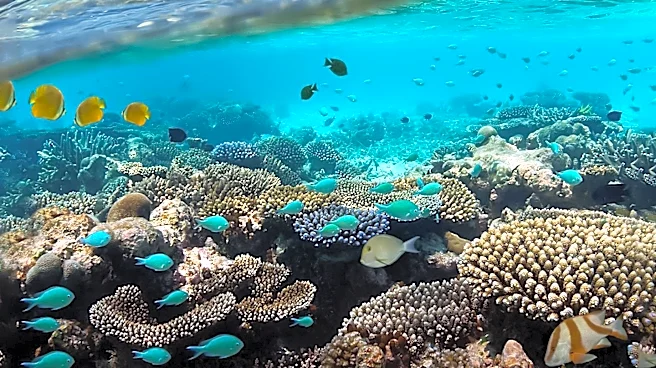
with Curaçao Cares, Selikor, and the Ministry of Health, Environment & Nature, aims to mobilize thousands of volunteers to clean up litter from beaches, streets, and neighborhoods. The event coincides with PADI AWARE Week, focusing on underwater conservation efforts such as marine debris removal and biodiversity surveys. These initiatives highlight the island's ongoing struggle with waste management and the need for sustainable practices.
Why It's Important?
The significance of World Clean Up Day in Curaçao extends beyond environmental concerns, impacting the island's tourism and local economy. Curaçao's reputation as a prime diving destination relies heavily on the health of its reefs and cleanliness of its beaches. Litter and marine debris not only tarnish the island's image but also threaten its economic stability, as tourism is a major revenue source. The event underscores the need for improved waste management infrastructure and policies to reduce single-use plastics. By engaging both residents and tourists in conservation efforts, Curaçao aims to foster a culture of environmental responsibility that supports its economic and ecological well-being.
What's Next?
Following the cleanup event, there is a push for more consistent waste management practices and infrastructure development. The tourism industry, including resorts and dive operators, is encouraged to adopt sustainable practices, such as reducing single-use plastics and enhancing recycling efforts. The success of these initiatives depends on continued community engagement and policy support. Future efforts may focus on expanding recycling programs and promoting upcycling to reduce waste. The island's small size and tight-knit community offer a unique opportunity to implement changes swiftly, potentially serving as a model for other regions facing similar challenges.
Beyond the Headlines
The broader implications of Curaçao's cleanup efforts highlight the interconnectedness of land and marine ecosystems. The island's geography, with its arid terrain and dry riverbeds, facilitates the movement of litter from land to sea, exacerbating marine pollution. Addressing this issue requires a holistic approach that considers both terrestrial and aquatic environments. The initiatives also emphasize the role of individual actions in driving environmental change, encouraging residents and visitors alike to adopt sustainable habits. By fostering a sense of island pride and responsibility, Curaçao aims to create a lasting impact that extends beyond the annual cleanup event.