




What's Happening?
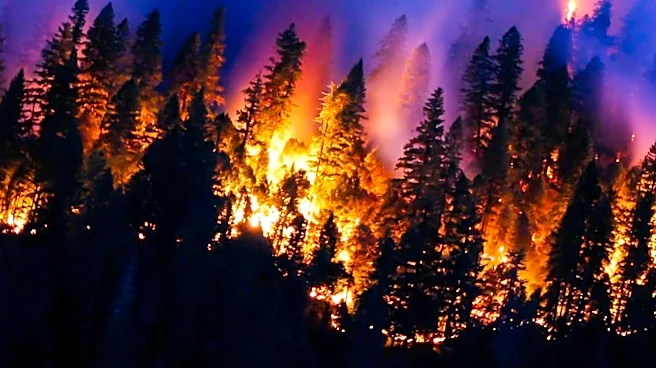
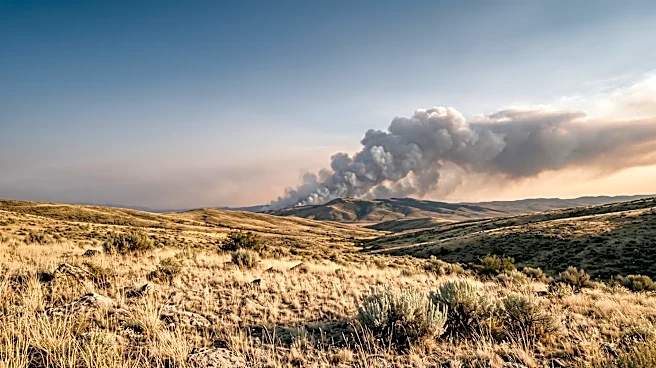
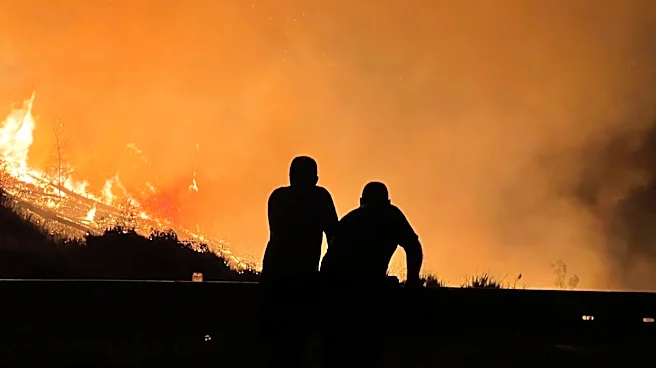
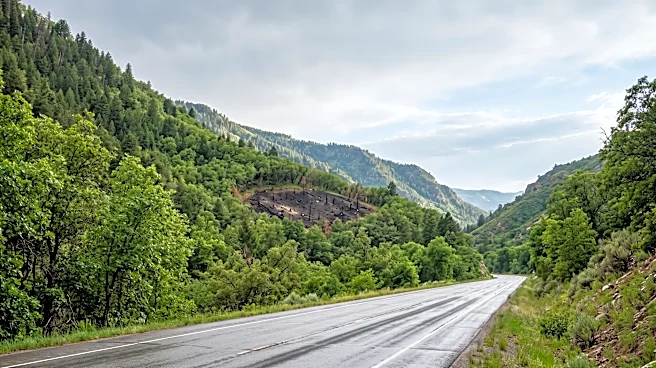
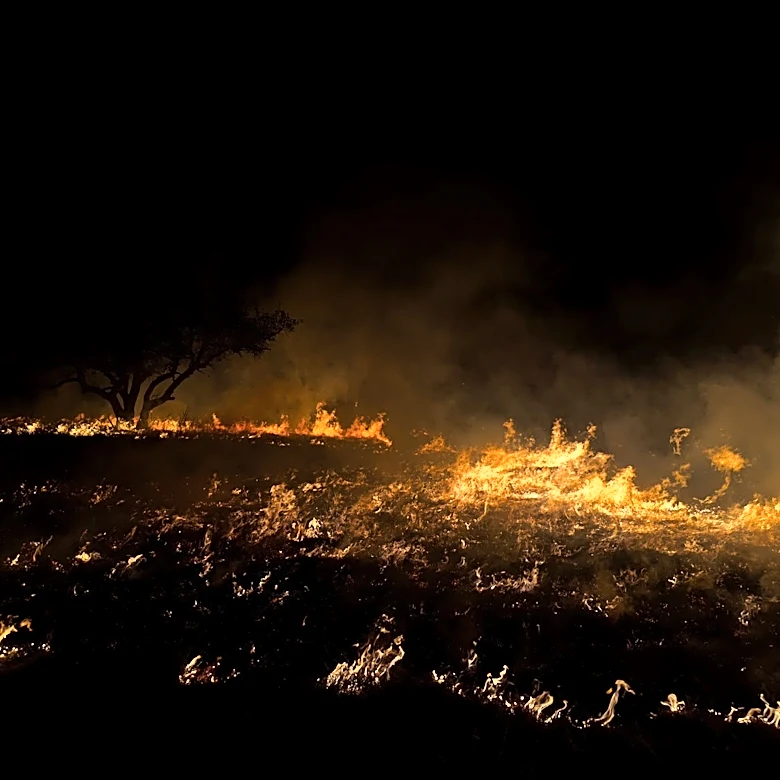
Highway 89 in Logan Canyon was temporarily closed in both directions due to a brush fire, now named the 'Blind Hollow Fire,' which spread in Temple Fork. The closure coincided with widespread power outages around Logan and a thunderstorm moving through
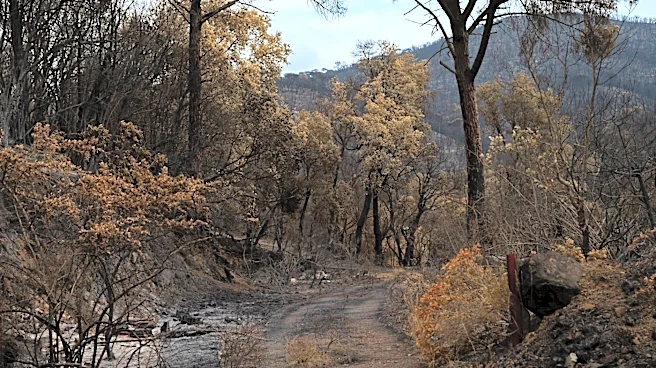
the valley. Utah Fire Info initially reported the fire around 8 p.m. and estimated it had burned between 15 to 20 acres of grass and brush. However, Paige Pagnocco, a public information officer with the U.S. Forest Service, later clarified that the fire actually burned only six acres. The heavy rain from the severe thunderstorm significantly aided firefighters in containing the blaze. As of the afternoon following the incident, the fire was 80% contained, and Highway 89 was reopened, though Temple Fork Road remained restricted to one lane, causing potential delays for commuters. The cause of the fire is currently unknown.
Why It's Important?
This incident highlights the ongoing vulnerability of natural landscapes in Utah to brush fires, even with the presence of mitigating weather conditions like thunderstorms. The temporary closure of a major thoroughfare like Highway 89 underscores the immediate disruption such events can cause to transportation and daily life for residents and travelers in the region. The simultaneous power outages further illustrate the cascading effects of natural disturbances, impacting essential services and infrastructure. The U.S. Forest Service's emphasis on fire safety guidelines, especially in backcountry areas, is crucial for preventing future incidents. This event serves as a reminder of the importance of public awareness and adherence to safety protocols to protect both natural resources and community infrastructure from the risks of wildfires.
What's Next?
Authorities will continue to investigate the cause of the Blind Hollow Fire to determine its origin and prevent similar occurrences. Ongoing updates regarding the fire's containment and any remaining road restrictions will be provided by Utah Public Radio and other local news outlets. The U.S. Forest Service and local fire departments will likely reiterate calls for increased public vigilance and adherence to fire safety guidelines, particularly for those engaging in outdoor activities like camping and hiking in the backcountry. Given that this fire follows another recent blaze, the Canyon Road Fire, there may be increased scrutiny on fire prevention measures and public education campaigns in the Logan Canyon area to mitigate the risk of future incidents.
Beyond the Headlines
The Blind Hollow Fire, occurring shortly after the Canyon Road Fire, points to a broader pattern of wildfire risk in Utah, potentially exacerbated by environmental factors and human activity. The role of the thunderstorm in aiding containment, while fortunate in this instance, also underscores the unpredictable nature of weather patterns and their dual capacity to both cause and mitigate natural disasters. This situation highlights the critical need for robust emergency response systems that can coordinate efforts across different agencies, such as fire services and utility providers, to manage simultaneous challenges like fires and power outages. Furthermore, the repeated incidents may prompt a re-evaluation of land management practices and public access policies in fire-prone areas to enhance long-term ecological resilience and public safety.