





What's Happening?
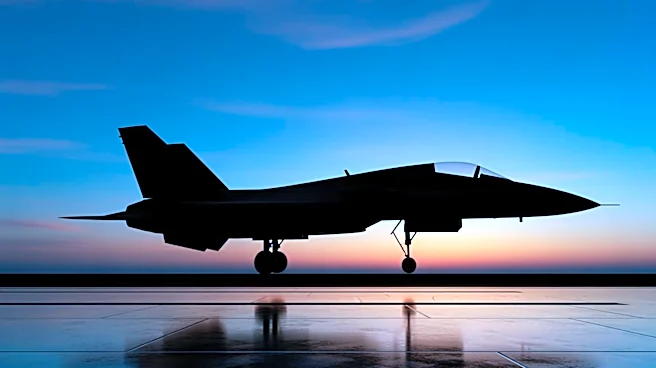
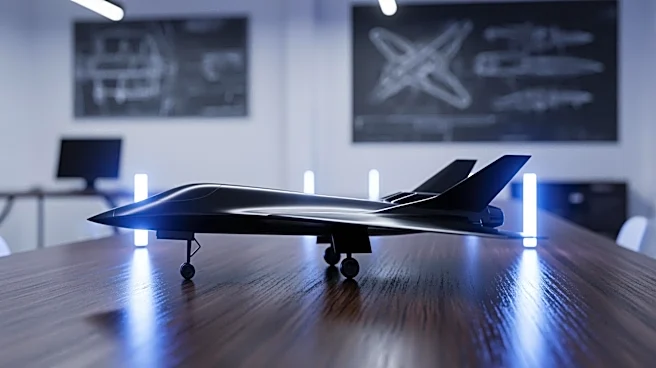
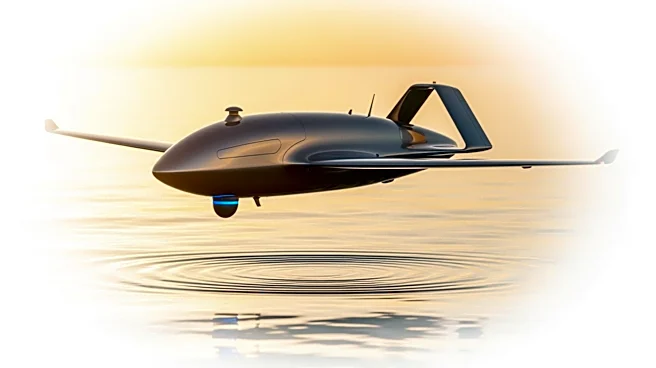
The U.S. Navy has successfully completed the first test flight of its new MQ-25A Stingray refueling drone. This unmanned aircraft, built by Boeing, represents the Navy's first carrier-based drone designed to extend the operational range of crewed fighters
and aircraft. The Stingray, costing approximately $209 million per unit, is part of a $16 billion investment by the Navy. The successful test marks a significant milestone in the drone's development, which has faced delays. The Stingray is expected to enter service in 2027, enhancing the Navy's capabilities in military operations.
Why It's Important?
The introduction of the MQ-25A Stingray refueling drone is a pivotal development for the U.S. Navy, as it aims to enhance the operational reach of its aircraft. By providing in-flight refueling capabilities, the Stingray can significantly extend the range and endurance of crewed aircraft, offering strategic advantages in military operations. This advancement reflects the growing importance of unmanned systems in modern warfare, potentially reshaping naval tactics and strategies. The investment in such technology underscores the Navy's commitment to maintaining a technological edge in defense capabilities.
What's Next?
Following the successful test flight, the Navy will continue to refine and test the MQ-25A Stingray to ensure its readiness for operational deployment. As the drone progresses towards entering service in 2027, further tests and evaluations will be conducted to validate its performance and integration with existing naval systems. The development of the Stingray may also influence future investments in unmanned technologies, as the Navy and other branches of the military explore additional applications for drones in various operational contexts.