




What's Happening?
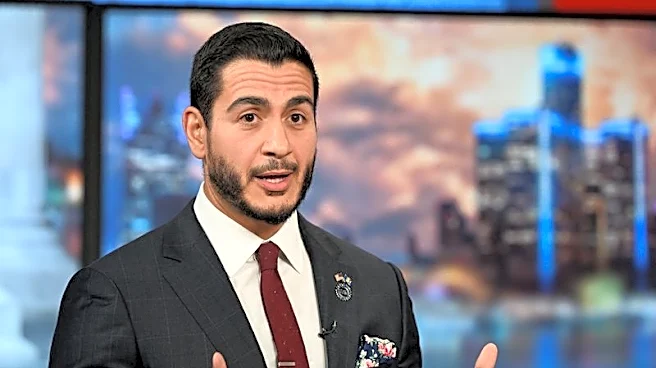
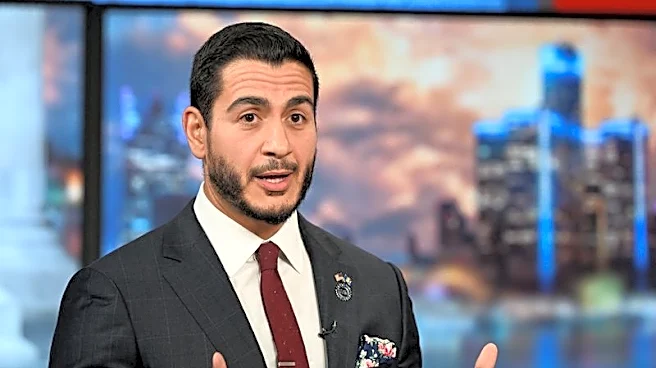
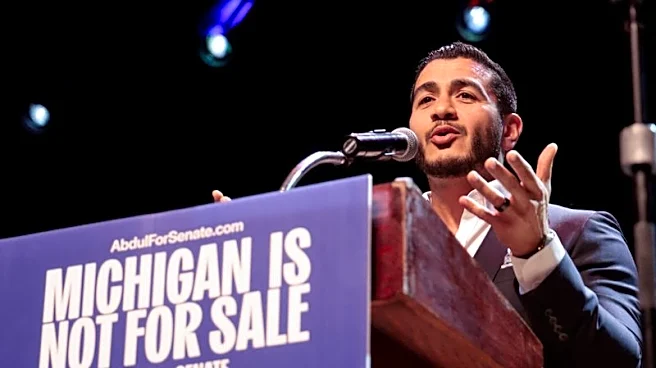
The Michigan Democratic Senate primary between Abdul El-Sayed and Haley Stevens has been marked by contentious claims and fact-checking efforts. El-Sayed, a progressive candidate, has criticized U.S. aid to Israel and called for a more left-leaning Democratic Party.
Stevens, a center-left candidate, has the support of the party establishment. Fact-checking efforts have scrutinized claims made by both candidates, including El-Sayed's assertion that a poll showing Stevens leading was funded by AIPAC, which was found to be false. Additionally, Stevens' claim of not receiving donations from major Michigan utility companies was rated mostly false, as her campaign did receive such donations.
Why It's Important?
The fact-checking of claims in the Michigan Democratic Senate primary underscores the importance of accurate information in political campaigns. As voters navigate the complex landscape of campaign messaging, fact-checking provides a critical tool for assessing the validity of candidates' statements. The scrutiny of claims also highlights the influence of external groups, such as AIPAC, in shaping campaign narratives. The primary serves as a reflection of broader debates within the Democratic Party, as it grapples with issues of transparency, accountability, and the influence of special interest groups.
What's Next?
As the primary concludes, the Democratic Party will need to address the issues of transparency and accountability highlighted by the fact-checking efforts. The party's ability to present a unified and credible platform will be crucial in the general election. The primary's outcome could influence future Democratic primaries, as candidates may need to navigate similar challenges related to campaign messaging and the influence of external groups. The party's response to the issues raised in the Michigan primary will be closely watched by voters and could shape the party's platform in the 2028 presidential election.