




What's Happening?
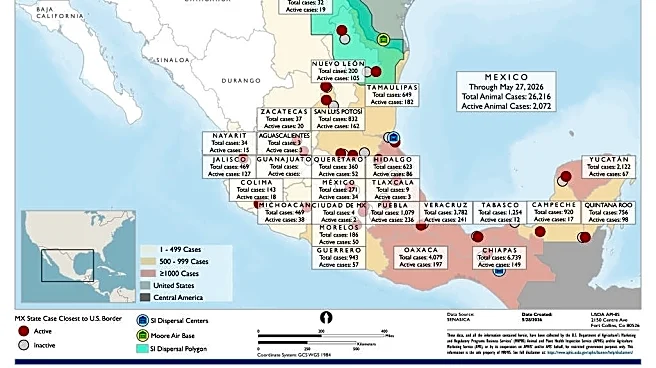
The U.S. Department of Agriculture (USDA) has announced a suspected case of New World screwworm in South Texas, a development that could significantly impact the state's $15 billion cattle industry. The USDA is currently testing a sample at its National
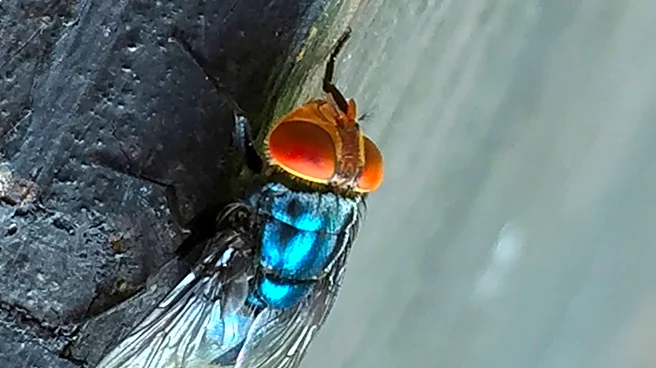
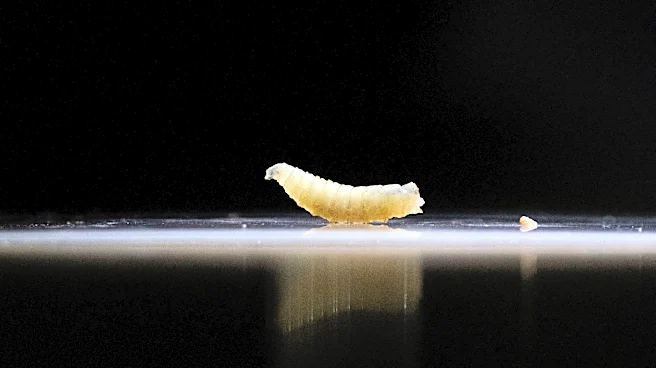
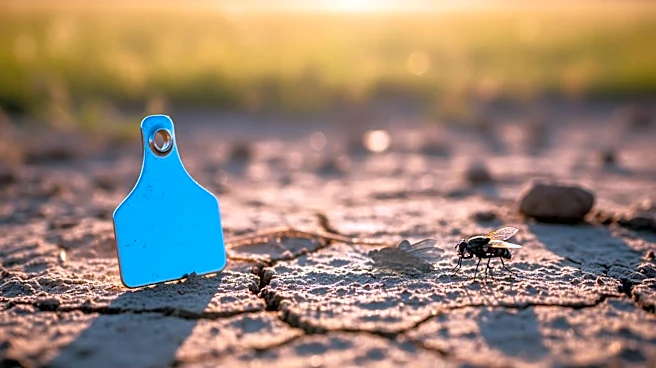
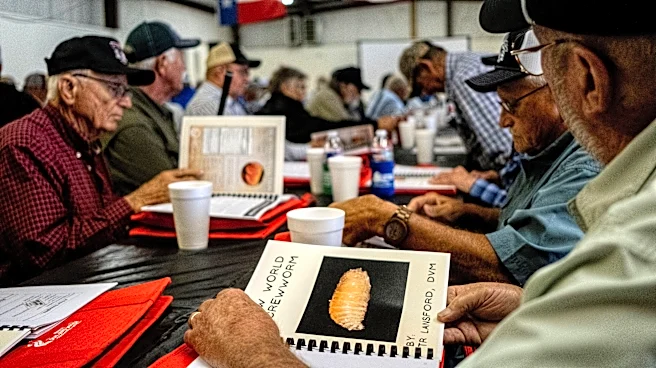
Veterinary Services Laboratories in Iowa. This announcement follows a statement by Secretary Brooke Rollins, who refuted claims by state Rep. Don McLaughlin that the screwworm was near the U.S.-Mexico border. The screwworm, a parasitic fly, poses a threat to livestock by embedding larvae in open wounds, potentially causing severe harm or death. The pest was eradicated in the U.S. in the 1960s but has re-emerged in Central America and Mexico. The USDA has been proactive, shutting down the southern border to live animal imports and collaborating with Mexico and Panama to control the pest using sterile fly methods.
Why It's Important?
The potential confirmation of screwworm in Texas could have severe economic repercussions for the U.S. cattle industry, particularly in Texas, which is a major cattle-producing state. The re-emergence of this pest threatens livestock health and could lead to increased costs for cattle producers due to necessary preventive measures and potential livestock losses. The USDA's efforts to control the pest are crucial to preventing a widespread outbreak that could disrupt the agricultural economy. Additionally, the situation underscores the importance of international cooperation in managing agricultural pests, as the screwworm's spread from Central America highlights the interconnected nature of agricultural health and trade.
What's Next?
If the screwworm case is confirmed, the USDA and local agencies will likely intensify efforts to contain and eradicate the pest. This could involve expanding the sterile fly program and increasing border controls to prevent further spread. The situation may also prompt discussions on enhancing biosecurity measures and cross-border cooperation to protect the U.S. cattle industry. Stakeholders, including cattle producers and agricultural policymakers, will need to collaborate closely to address the threat and mitigate potential economic impacts.