






What's Happening?
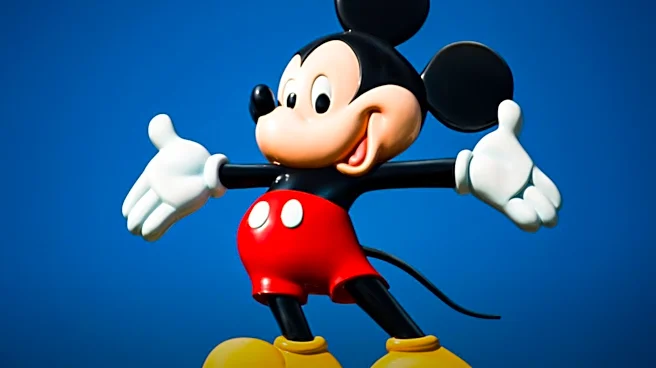
A fake video circulating on social media, specifically from an Instagram account named Mouse Trap News, falsely claimed that Disney announced Mickey Mouse would undergo gender transition surgery to become 'Moxie Mouse' in the name of inclusivity and diversity.
The Instagram account explicitly states in its bio that its news is '100% fake,' and other satirical posts include claims about Disney offering colonoscopies or charging per breath in parks. Despite the clear satirical nature of the content, many conservatives reacted with outrage, expressing intentions to boycott Disney. Comments on the post included statements like 'Why can’t we leave children alone!' and 'I’ll quit Disney!', highlighting how easily misinformation can spread and provoke strong reactions, even when the source explicitly labels itself as satire.
Why It's Important?
This incident underscores the significant challenge of combating misinformation and disinformation in the digital age, particularly concerning culturally sensitive topics. The rapid spread of this fake claim, despite its source being openly satirical, demonstrates how confirmation bias and pre-existing sentiments can lead individuals to accept and react to false information without critical verification. For Disney, even a debunked rumor can impact its brand image and potentially influence public perception among certain demographics, highlighting the vulnerability of major corporations to online narratives. The strong reactions from conservatives also reflect ongoing cultural tensions and debates surrounding LGBTQ+ representation and corporate social responsibility, particularly concerning children's media. This event serves as a case study in the power of 'rage bait' and the difficulty of distinguishing satire from genuine news online.
What's Next?
While Disney has not officially responded to this specific fake claim, the incident is likely to contribute to the ongoing scrutiny and debate surrounding the company's approach to diversity and inclusion. Social media platforms may face renewed calls to implement more effective measures to flag satirical content or combat the spread of misinformation, especially when it incites public outrage. For consumers, this event highlights the importance of media literacy and critical thinking when encountering news online. The incident may also encourage further discussions within conservative circles about corporate values and consumer choices, potentially influencing future boycotts or support for companies perceived to align with their values. The broader conversation about LGBTQ+ representation in media, particularly for children, will likely continue to be a contentious issue.
Beyond the Headlines
The reaction to the fake Mickey Mouse story reveals deeper societal anxieties and divisions regarding gender identity and cultural values. The immediate outrage, even in the face of obvious satire, points to a segment of the population that is highly sensitive to perceived changes in traditional symbols and narratives. This incident is not just about Disney or Mickey Mouse; it's a reflection of the broader culture wars playing out in the U.S., where issues of identity, representation, and corporate influence are fiercely debated. The ease with which 'rage bait' can bypass critical thinking and trigger emotional responses highlights a vulnerability in public discourse, making it challenging to have constructive conversations about complex social issues. It also raises questions about the responsibility of satirical content creators to consider the potential for their work to be misinterpreted and weaponized in a polarized environment.